What I am Reading Now…
Naeem Mohaiemen
September 2026
Jamahiriya Means People: Okba ibn Nafa
Jamahiriya ( جماهيرية) translates to both ‘state of the masses’ and ‘peopledom,’ popularized as a noun by Muammar Gaddafi in 1977. The full form was Jamahiriya Al-Arabiya Al-Libiya Al-Shabiya Al-Ishtirakiya Al-Uzma (Great Socialist People’s Libyan Arab Republic). As part of the process of creating a new, transnational ‘people,’ albeit one with no voting or participatory role, oil wealth was invested in importing skilled workers to build up infrastructure at a hyper-speed starting in 1975. Some may ascribe the starting point of this to be the 1973 Nonaligned Movement Meeting in Algiers, where Gaddafi, Arafat, Boumedienne, and Gandhi took pivotal roles in the proceedings.
The Okba ibn Nafa Air Base in Tripoli was named after Uqba ibn Nafi, an Arab general who led the Muslim conquest of the Maghreb, including Libya, Tunisia, Algeria and Morocco. In 1975, the airport hospital was staffed by Bangladeshi doctors, two of each specialty imported as part of a government-to-government exchange. Staffing did not mean that military personnel trusted the imported doctors, and for the next four years, the Bangladesh team watched with mute frustration as all specialized surgeries were sent to the “better team” in Saudi Arabia.
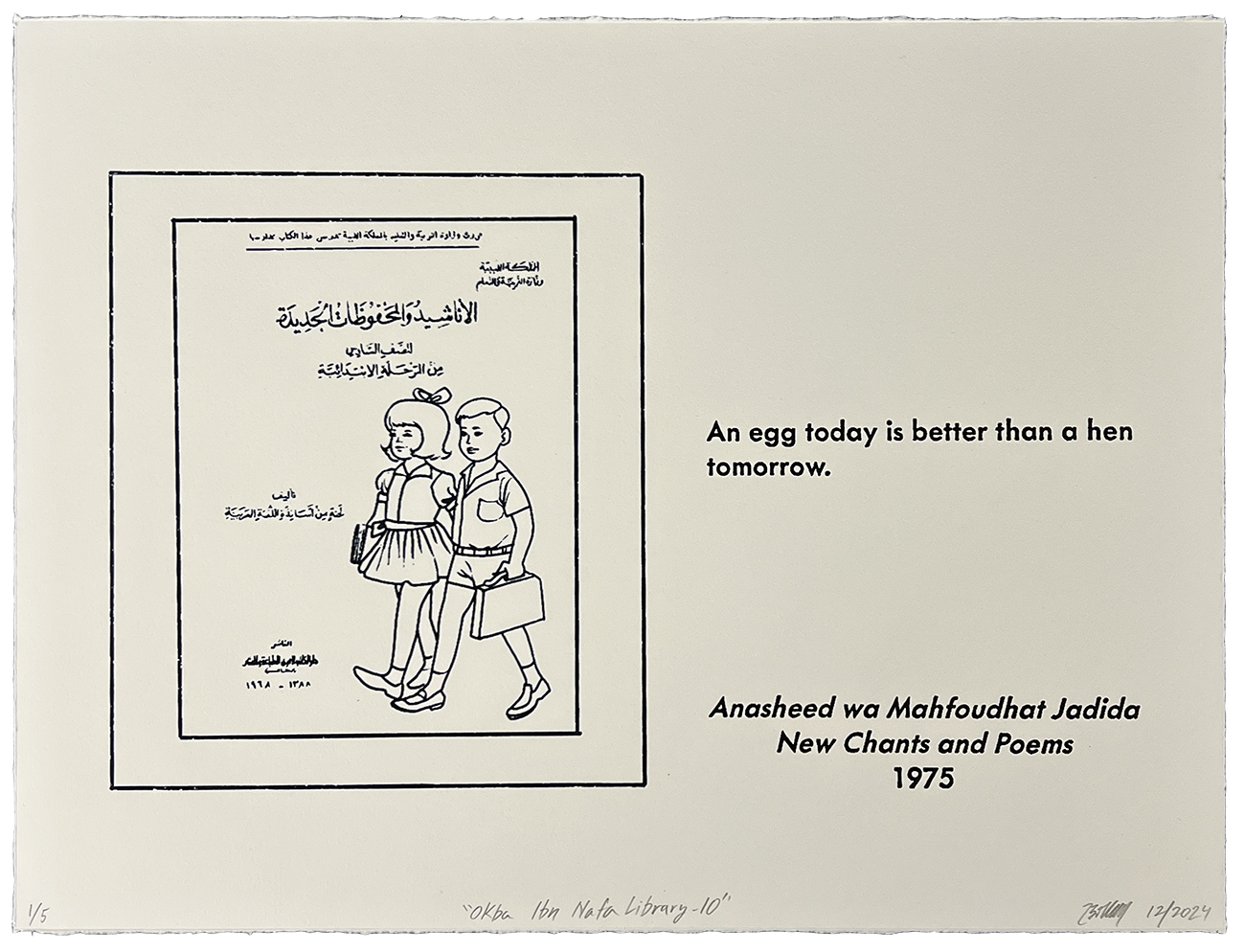
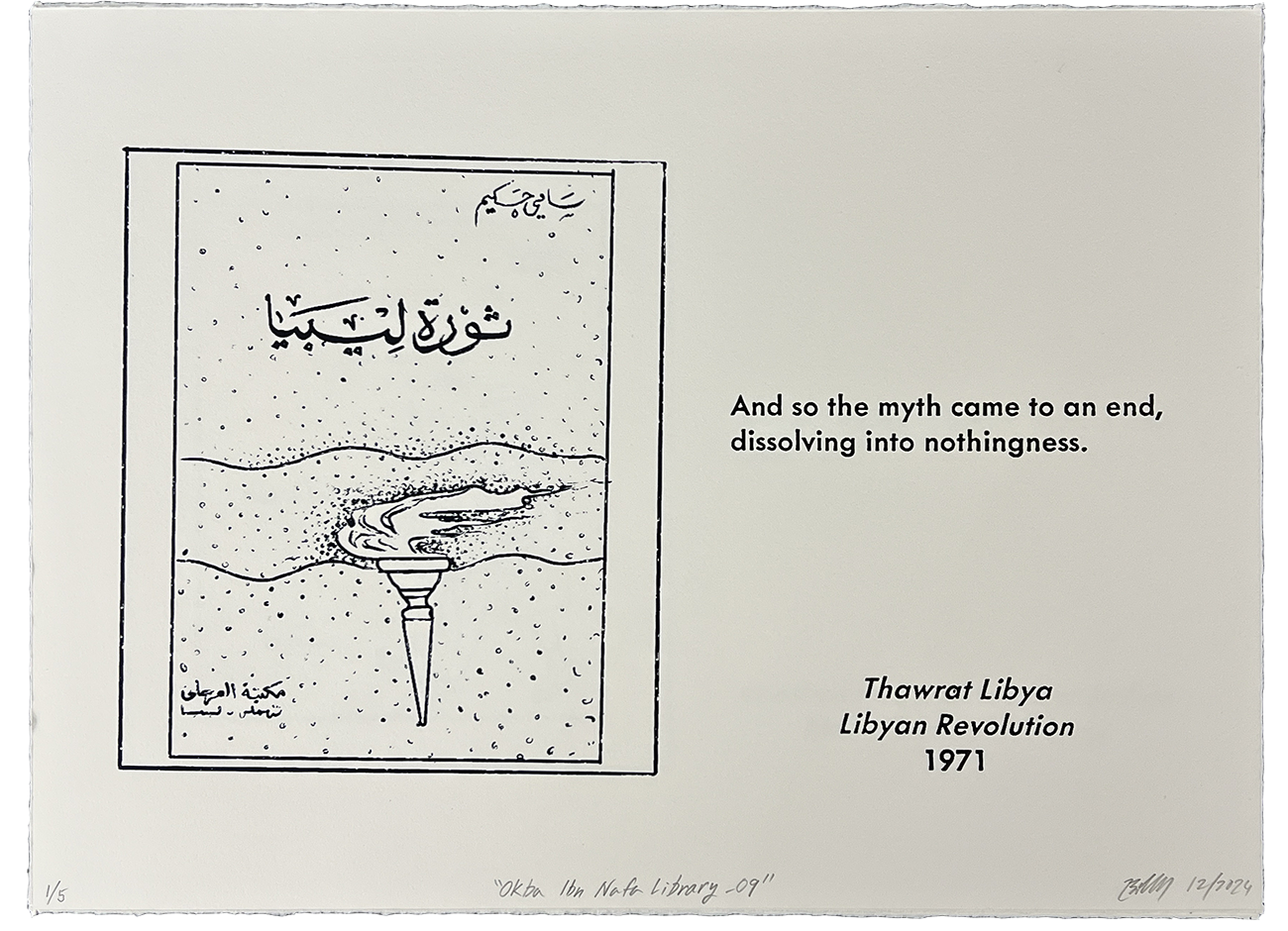
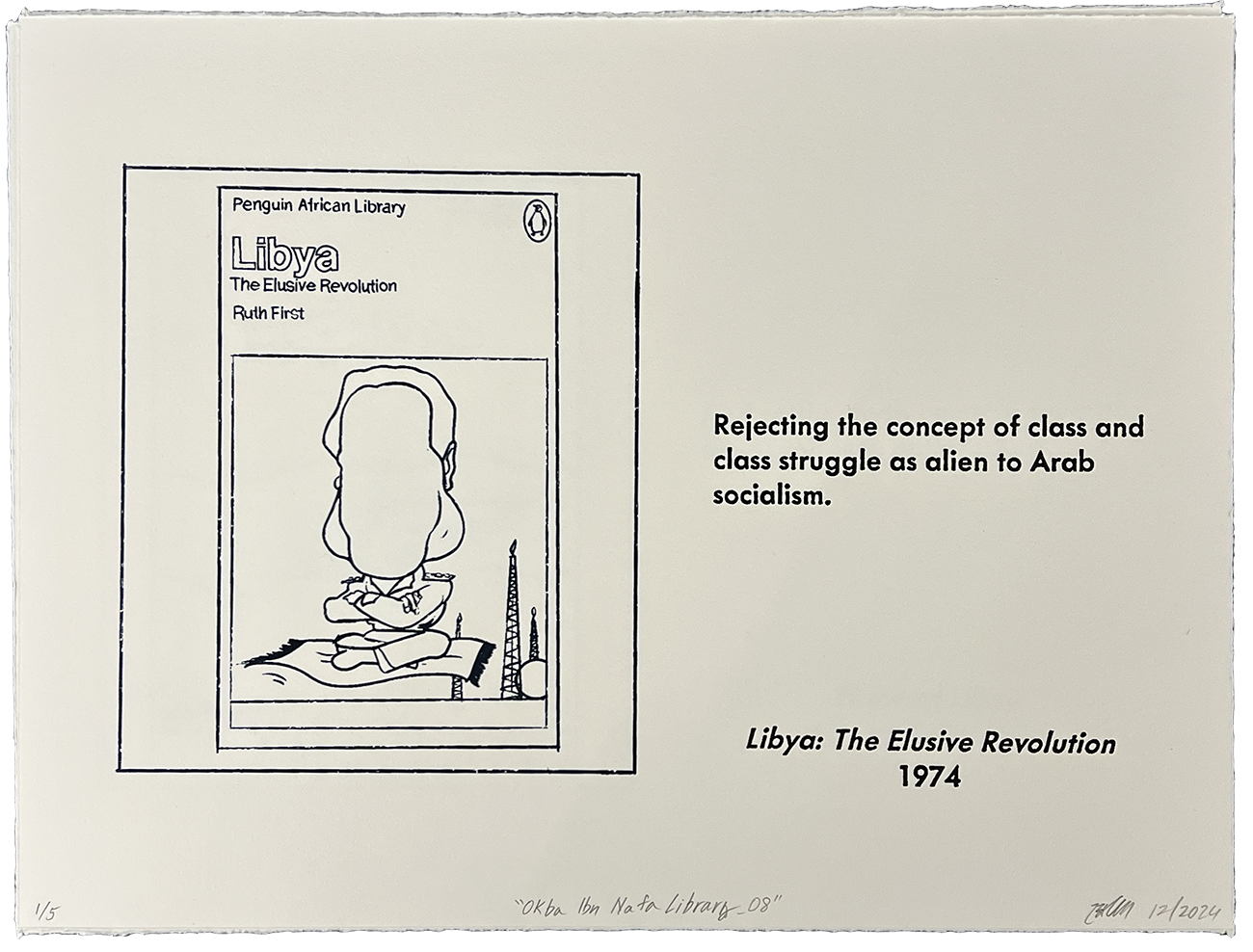
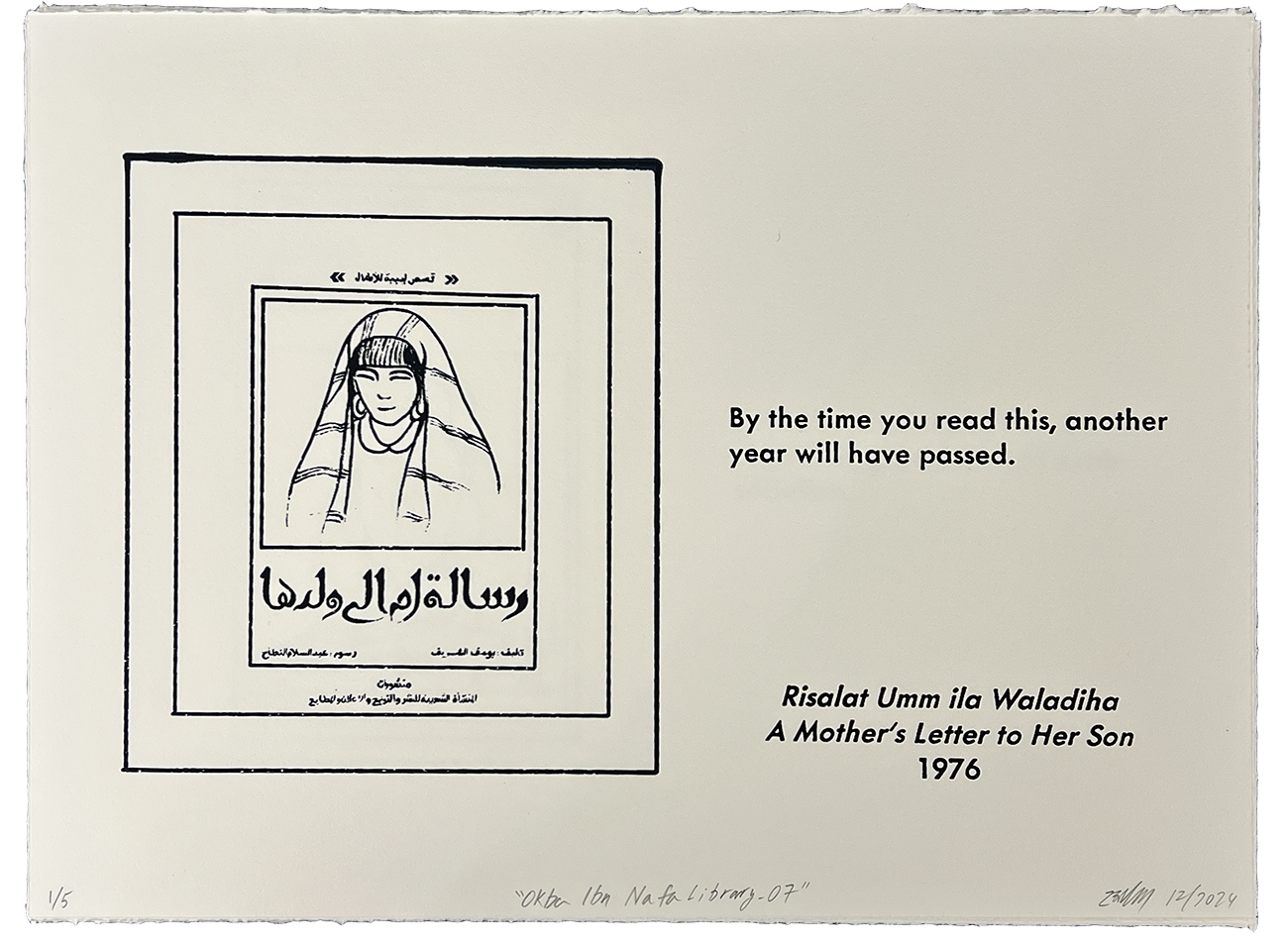
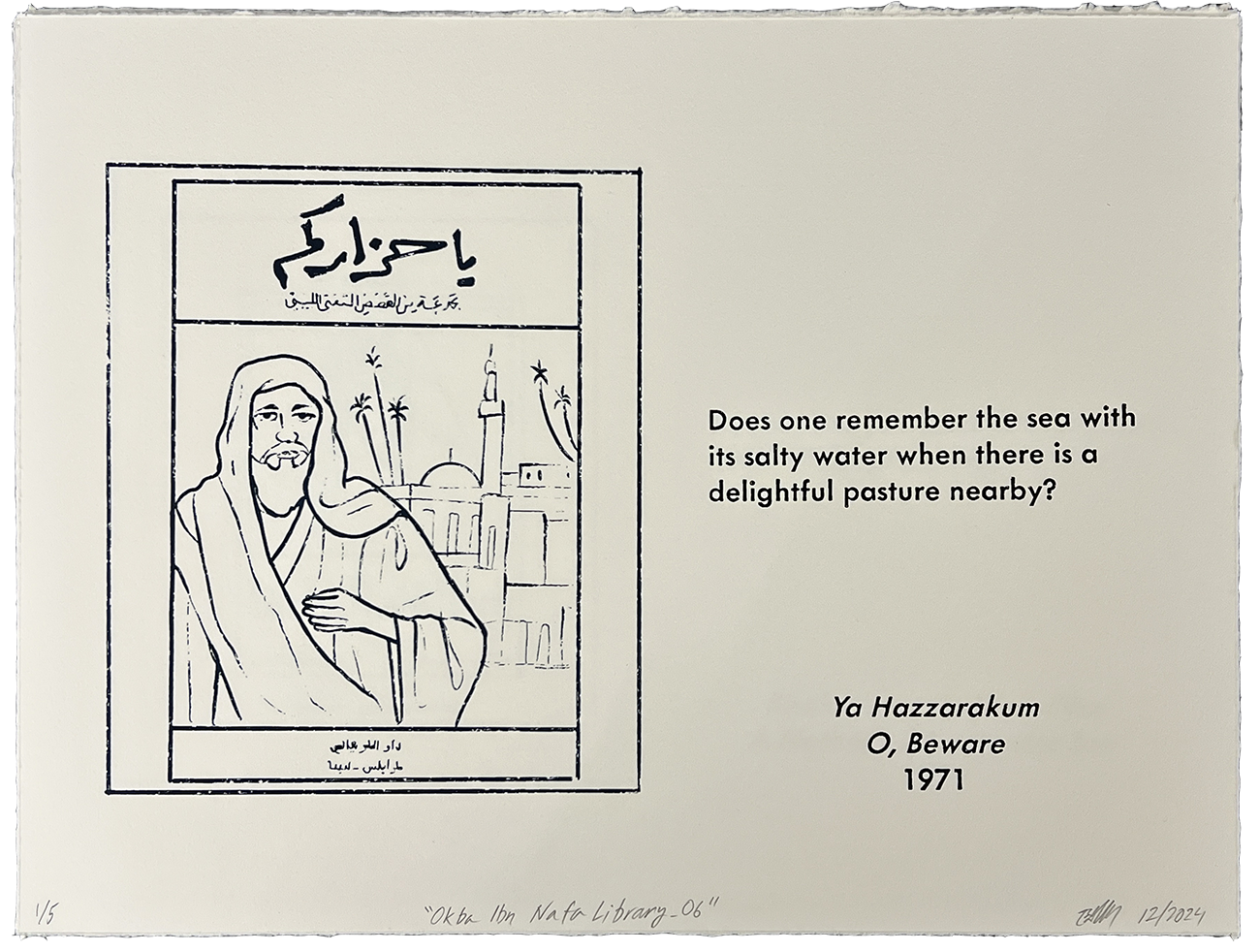
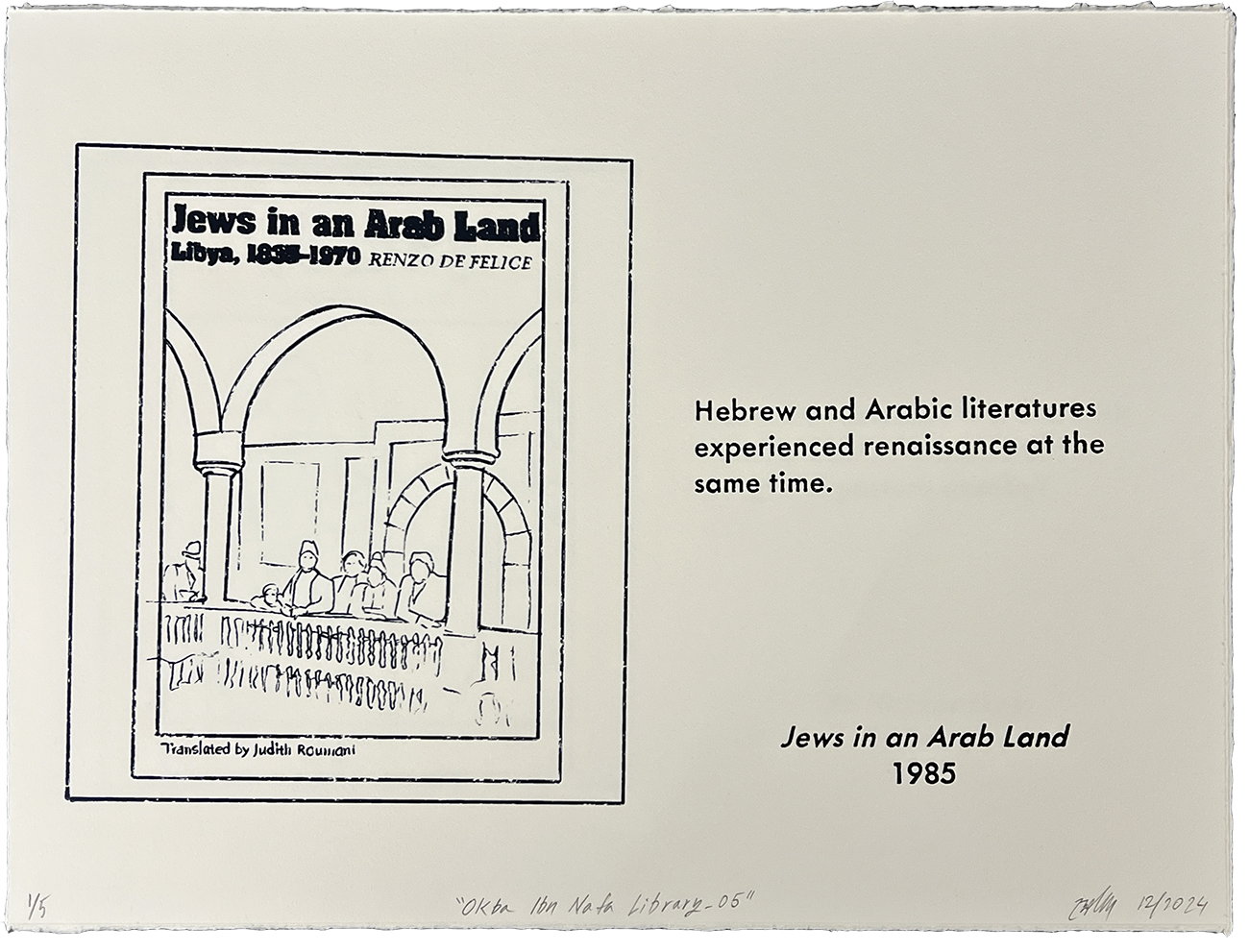
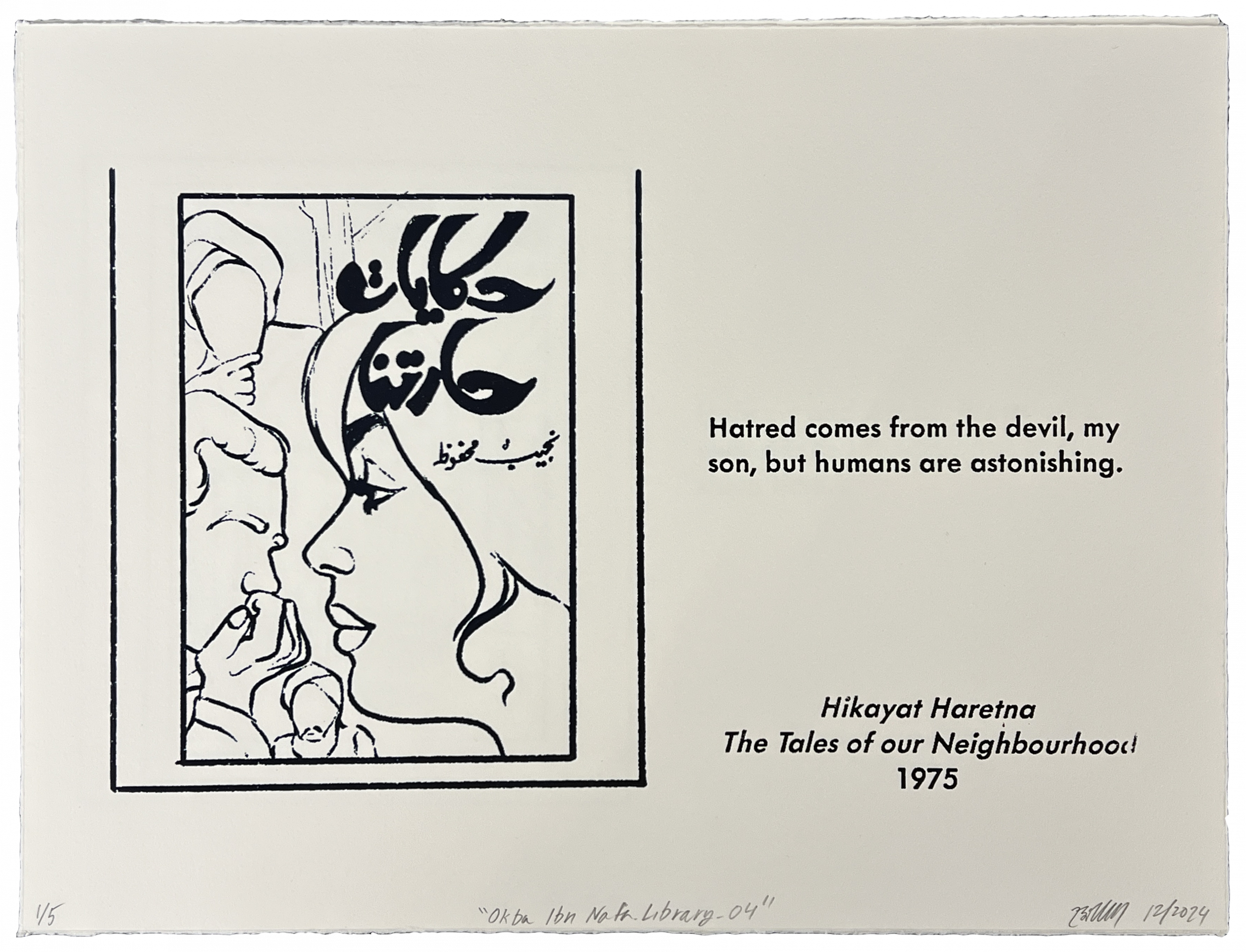
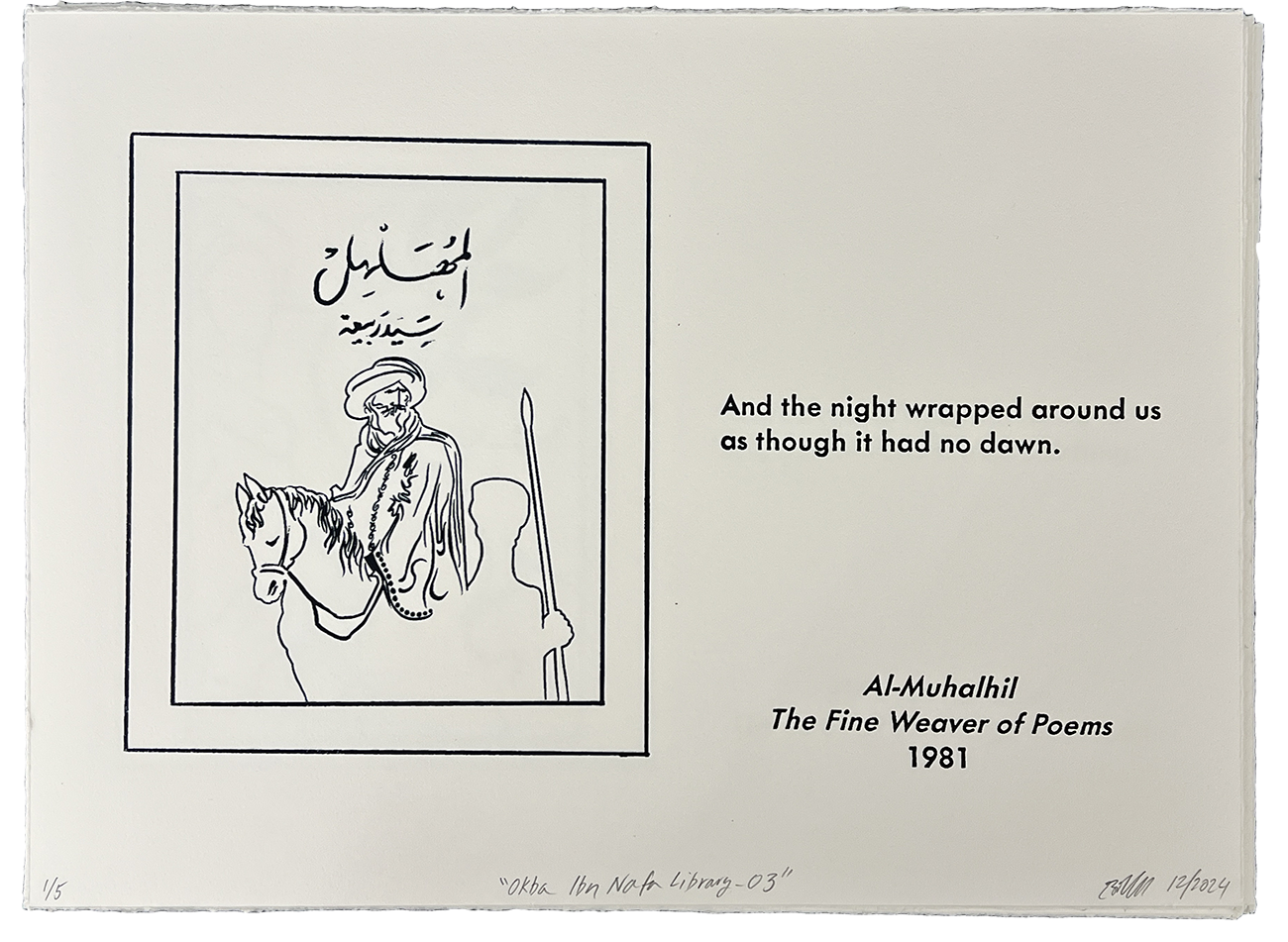
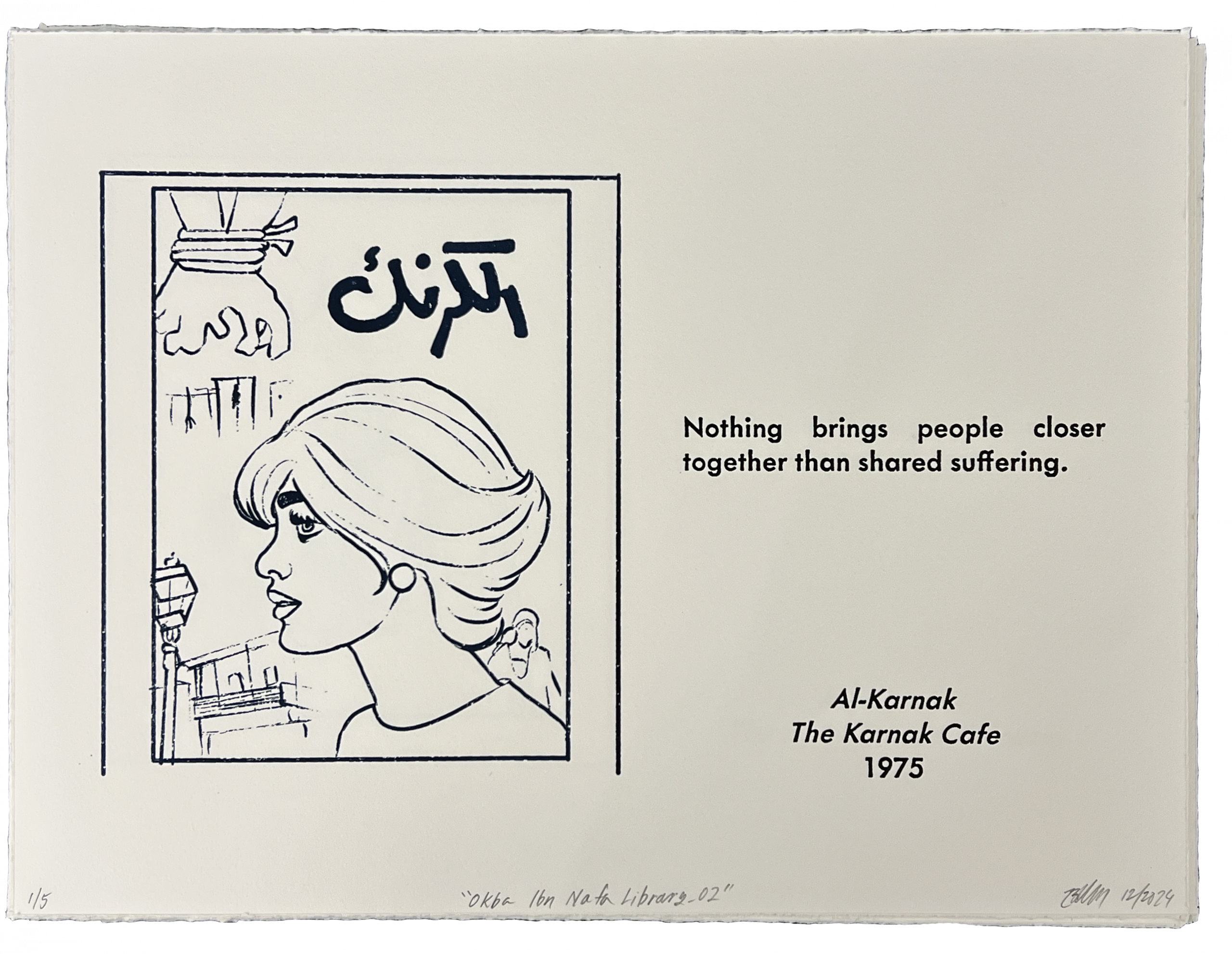
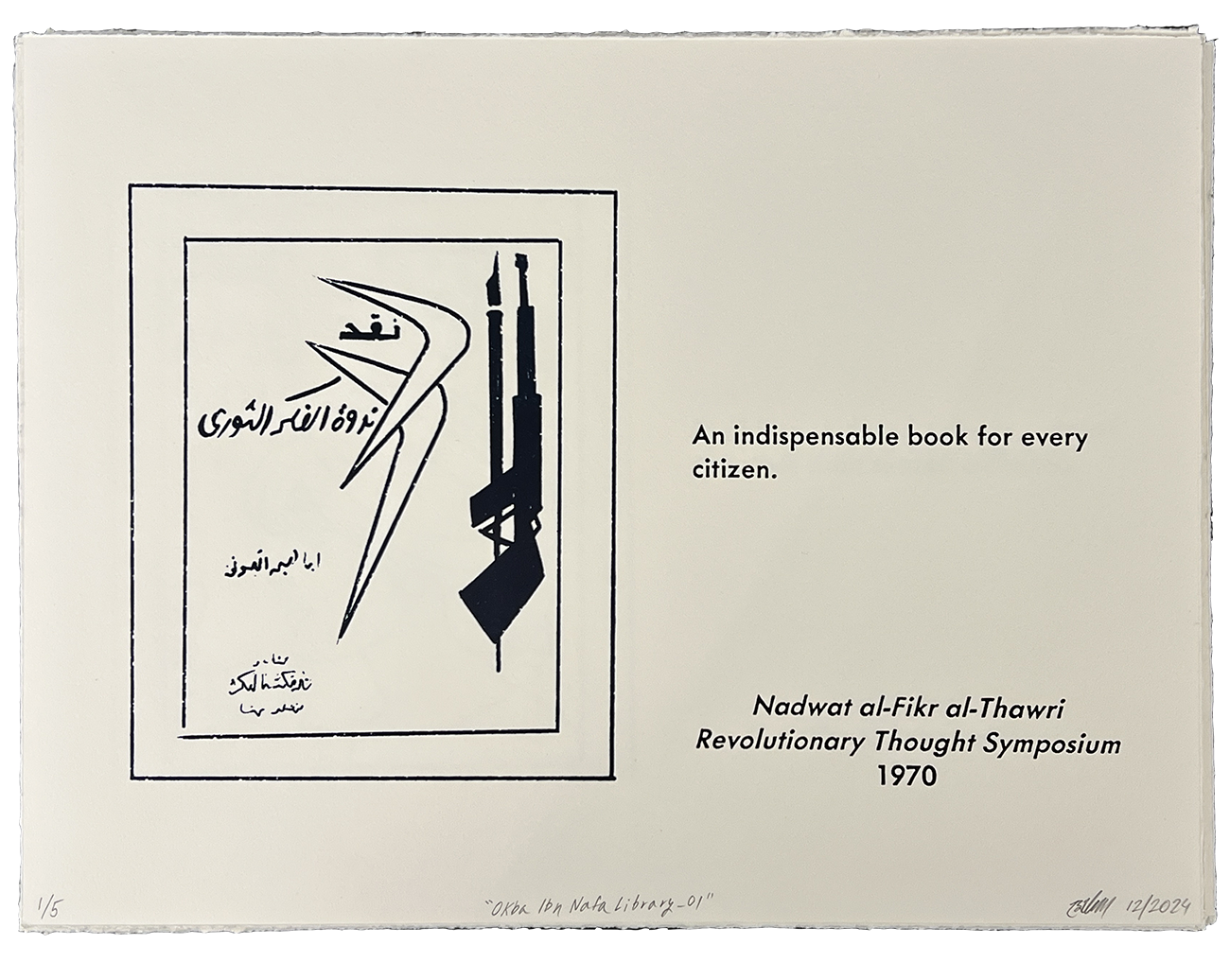
To hold on to his sanity and decorum, Dr. Mohammad Abdul Mohaiemen retreated, as he had done in 1965 and 1971, into books, whatever he could find at the hospital library and near his Gurgi home. In ‘Okba ibn Nafa,’ the first chapter in the ‘Jamahiriya Means People’ series, I sketch out ten books a lonely doctor may have browsed in his medical exile.
Elsewhere, I have written that Libya was, appropriately or ironically, where I learned English. Mrs. Shafiullah, one of the thirty Bangla military “aunties” (what we called all the wives of other military doctors), said to my mother, “Bhabi, we have to put them in a proper school, we cannot teach them at home. They will become savages.” That is how some of the Bangladeshi children ended up at New Tripoli School. The Gurji school was an experiment in socialist cohabitation; Egyptian, Jordanian, Bangladeshi, and Polish students together. The Arabic teacher was quick with his disciplining, treating some as children of a lesser tongue. It was some kind of early lesson in realpolitik. Later, much later, I comprehended the loss. To have lived in Libya and not learned Arabic, by force or by circumstance.
Finally, at the end of the 70s, the emergence of a singular global fear icon. Gaddafi appeared on a Newsweek magazine cover story about international terrorism. In Tripoli, the American oil executives started leaving. The Waddan movie theatre in Tripoli, where I had watched Murder on the Orient Express, now started showing only patriotic Arabic films. And we in our migrant isolation had not managed to learn Arabic. Except for “atini wahed khubza” to ask for bread at the store. Wahed, etneen, talata, arba, khamsa, sitta, sabah, tamaniya, tissa, ashra– we had learned it as a mnemonic device, almost like the ayatul kursi that I had learned at the same time. Say it very fast, so you don’t trip over tongues.