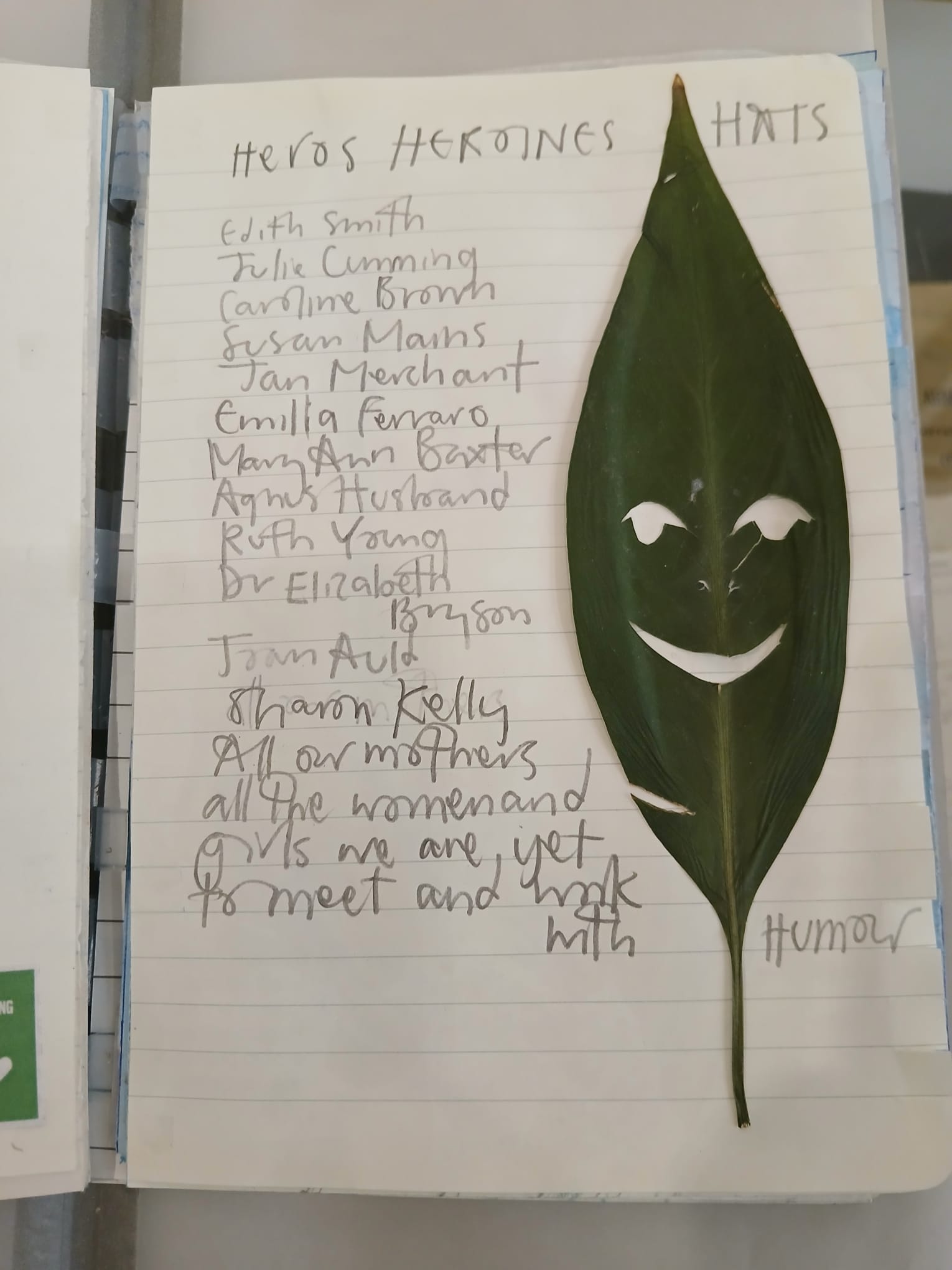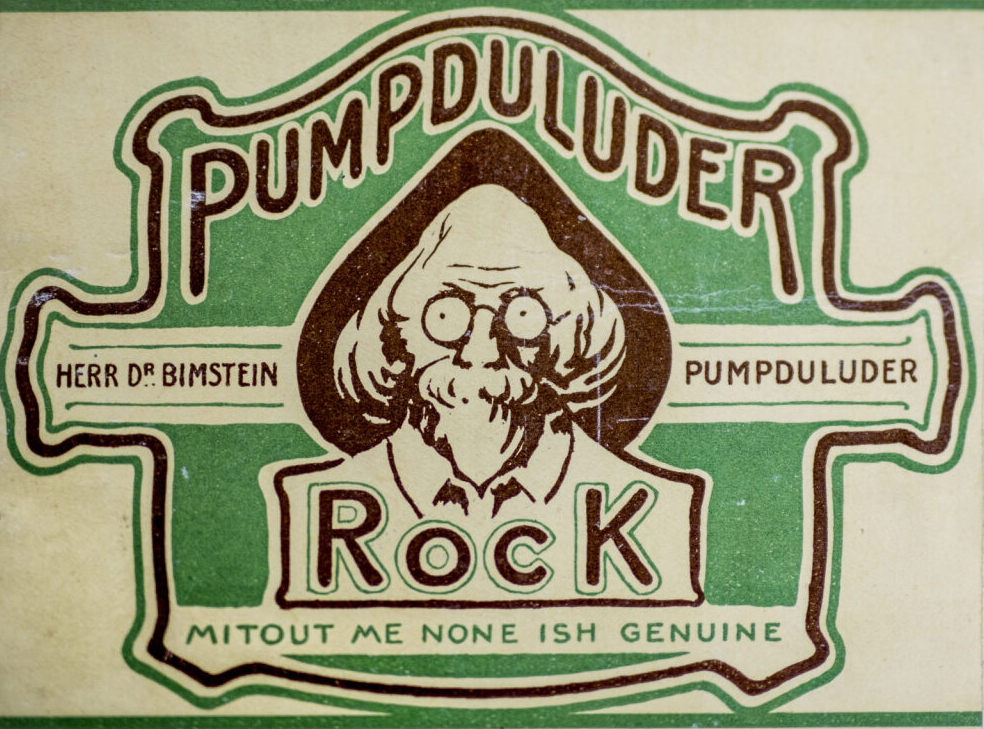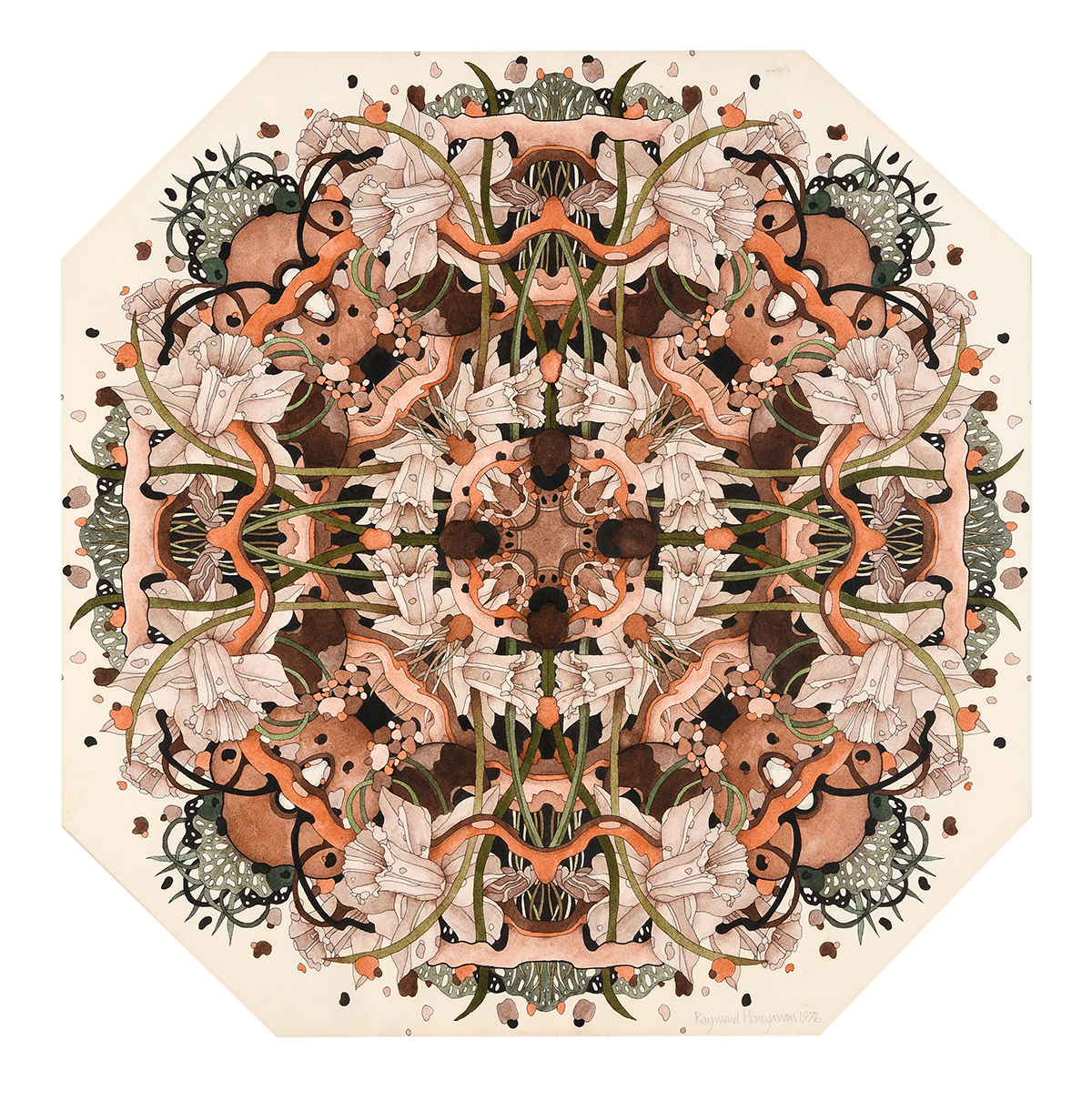
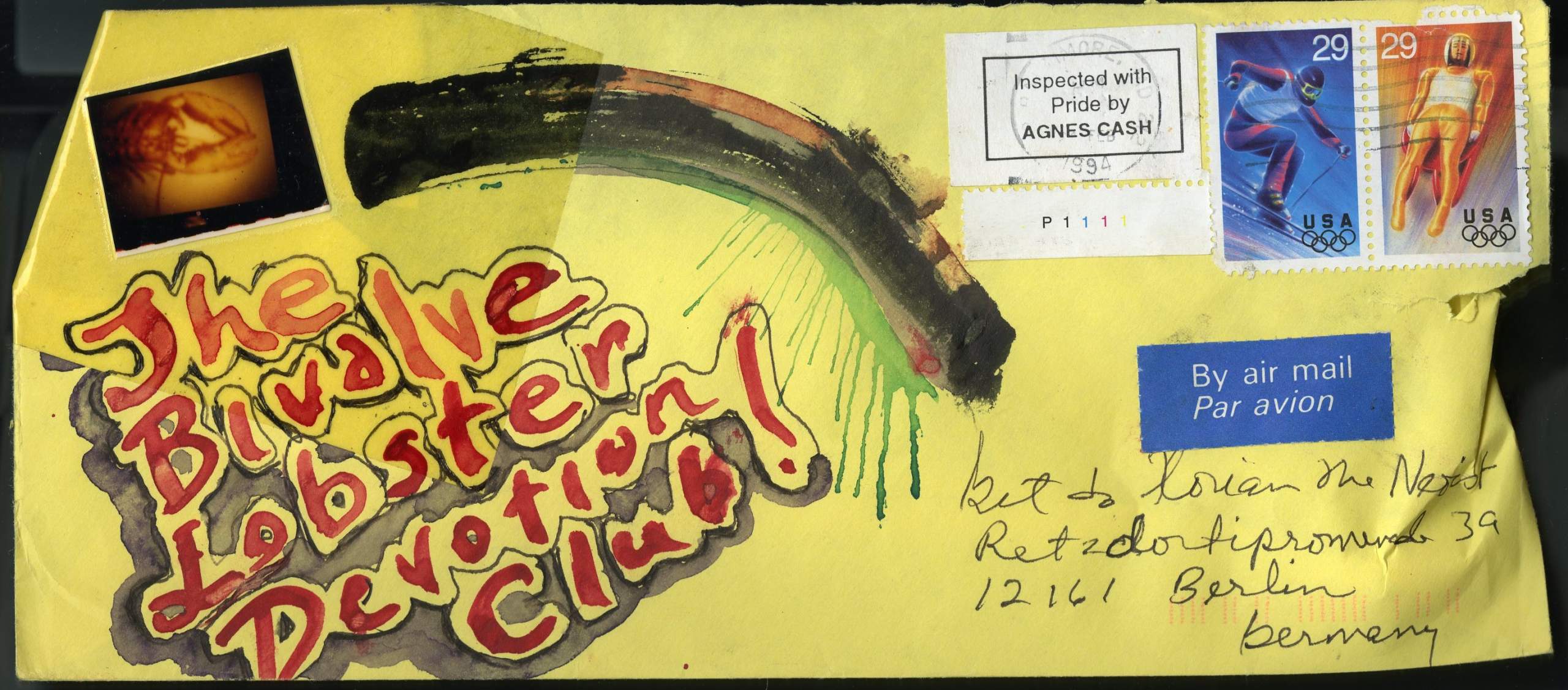
DJCAD student Phoebe Patino Mains has been cataloguing the archive collection of Florian Cramer held by the University Archives. The material focuses on Neoist and Mail Art networks and in this blog Phoebe describes what she found.
Trying to define this collection has been equally headache-inducing and deeply fascinating, although I suspect this might be an intentional aspect of Neoism. From what I can tell, Neoism is an avant-garde, anti-establishment art “movement” which rejected traditional exhibitioning and promoted boundary-pushing performance and music pieces. Alongside this, there were independent international publications documenting these art pieces and the creators’ essays, contradictory beliefs on what Neoism was, and hilariously, infighting amongst themselves.
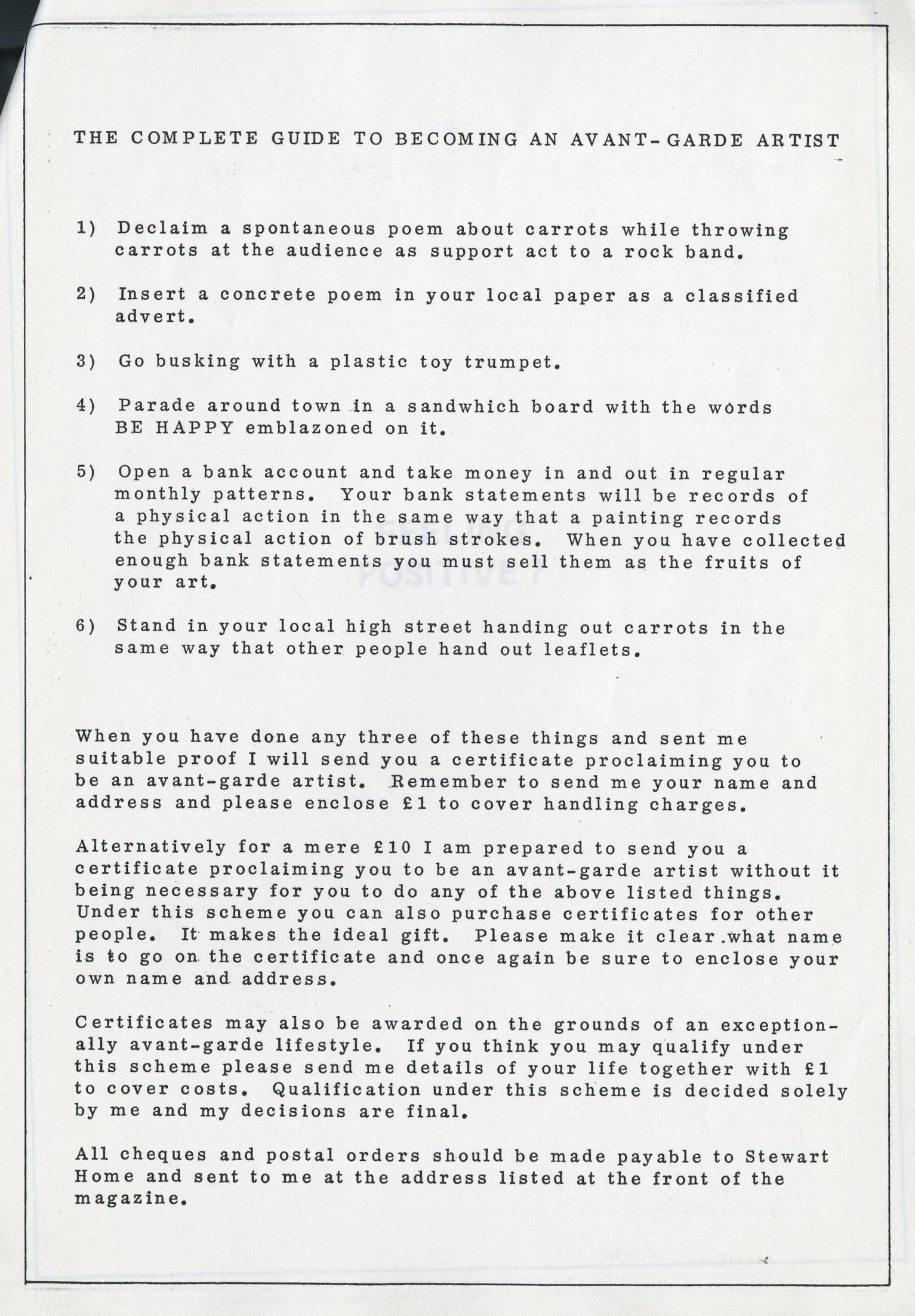
Throughout archiving this Neoist and Mail Art collection I have read from primary sources made by Neoist/Mail Artists — to Neoist/ex-Neoists’ own extensive archives of art works online. Still to no avail, I don’t entirely understand and I’ve discovered bizarrely, I quite like this. It’s inspiring to generate an experimental art subculture that had such a strong identity among a small tight knit but enthusiastically passionate group. I find it motivating to collaborate with my artist peers; to make provocative and bizarre art, to break away from my own structured design art practice and experiment with decade long projects.
Many of the zines fascinatingly and consistently dive into discourse over who was considered a Neoist and who wasn’t. People sincerely try to define what Neoism truly was while others present completely paradoxical ideas to those, and then there are others just making stuff up for a laugh. It all was quite ridiculous, especially because most individuals who made up the Neoists were all just a bunch of guys in their 30s, all having one massive row for a good few years and eventually becoming an ouroboros of pointless divisiveness. For an art movement that rejected the exclusionary traditional art scene, they were a notorious bunch for kicking out artists from the Neoist movement and you can imagine the irony of that.
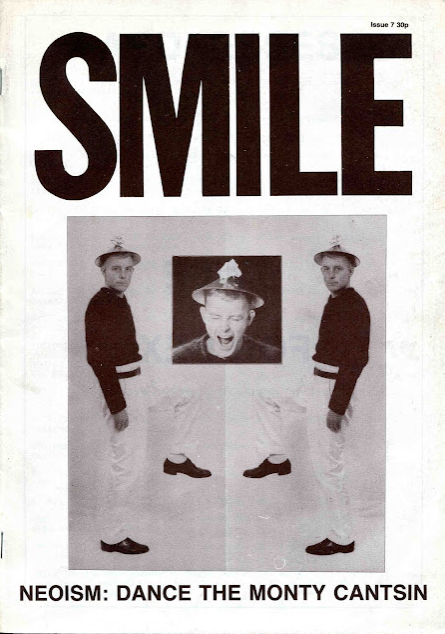
Neoism initially intended to make their underground art movement accessible to a global network and so took inspiration from the Mail Art scene to distribute art internationally. Mail art originally stemmed as an art movement from the 1960s/70s, which inspired the Neoists as they revitalised their own post-Mail Art movement with their substantial publications. One such was Smile, “A Magazine of Multiple Origins” which artists argue has not always been Neoist, but another undefinable magazine including multiple publications confusingly sharing the same name.
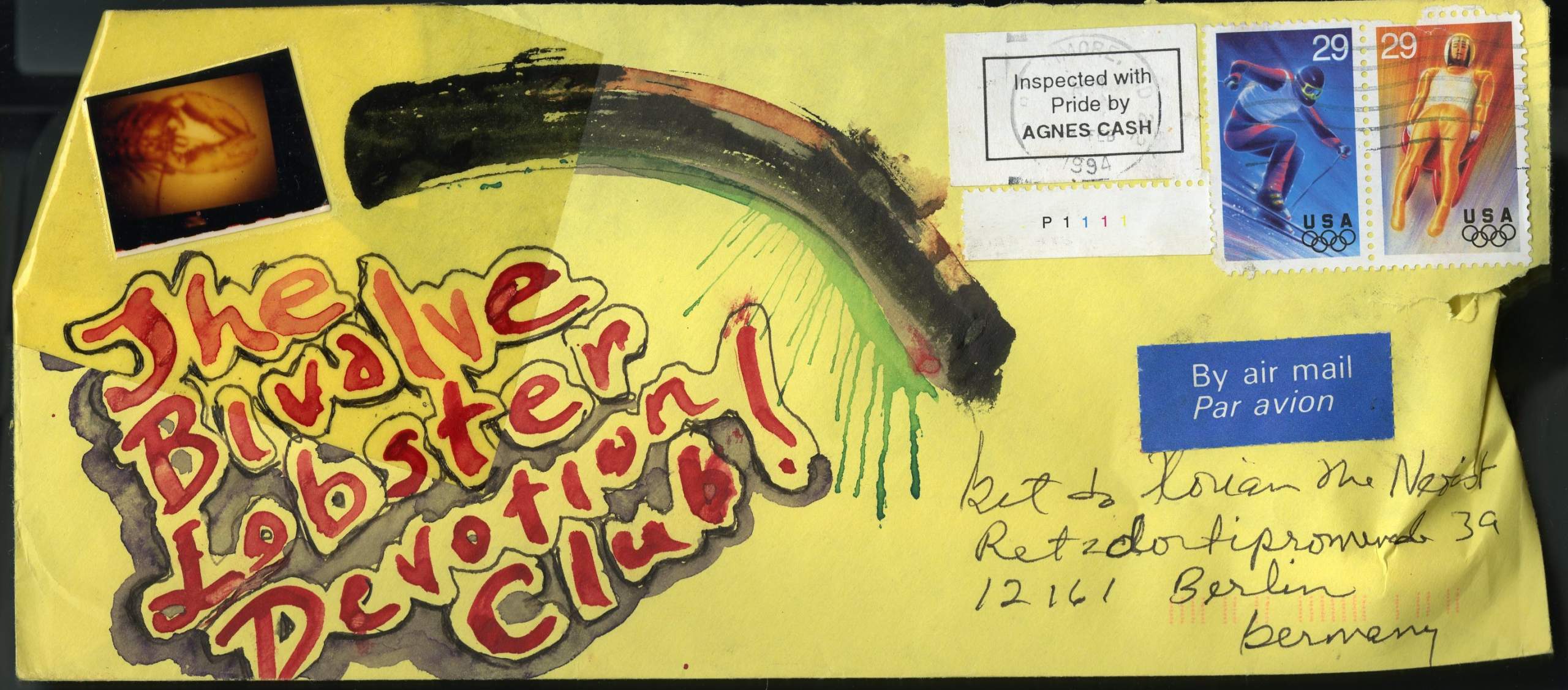
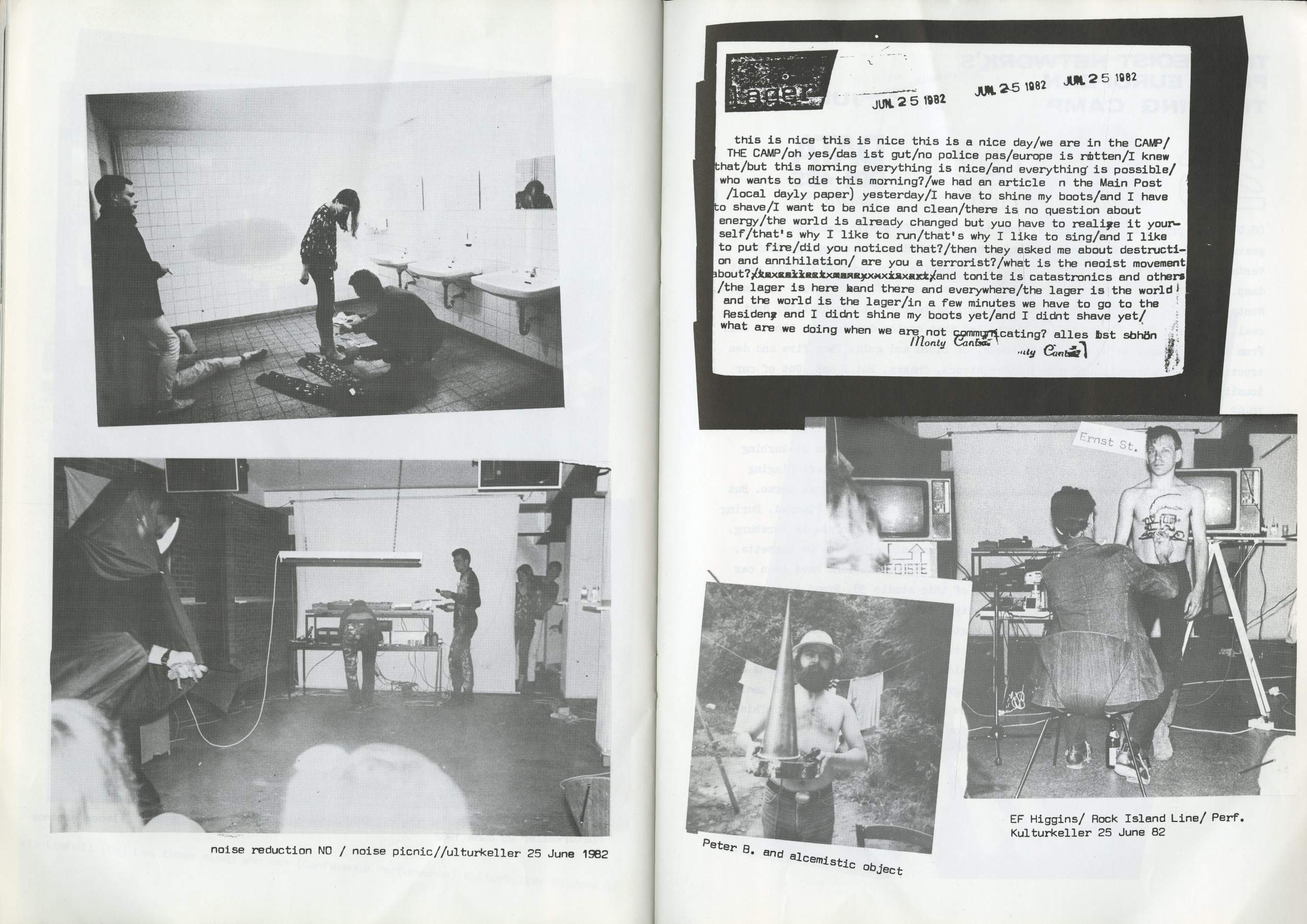
Many of Smile volumes were signed off/authored by Monty Cantsin. Who was Monty Cantsin you may ask? Well, I wish I knew. Monty Cantsin was an imagined “open pop star” created by David Zack and then further popularised by Neoist Istvan Kantor who encouraged others to take on the persona. This eventually evolved into the “character” having its own set way of Neoist ideals which artists were encouraged to abide by and emulate in their daily life. While cataloguing the collection, I experienced amusement and extreme ire at times, looking at all the brilliantly designed and intriguing writings supposedly done by some imaginary pop star. It also doesn’t help that many of the zines and publications were labelled purposefully with jumbled number volumes and sometimes changed magazine names. Again, while silly, I find it an interesting approach of furthering Neoism’s experiments of play and pranks into print and publications.
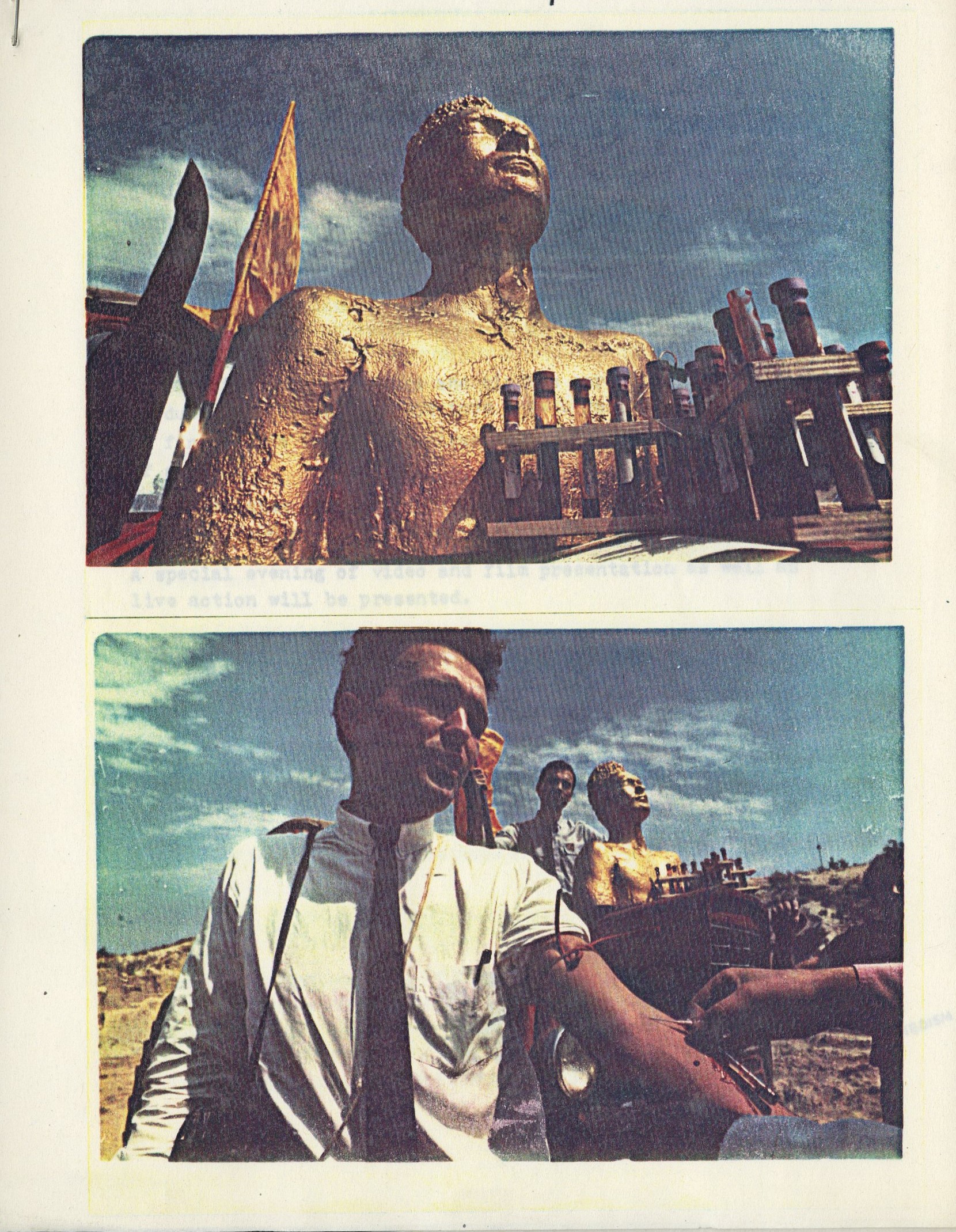
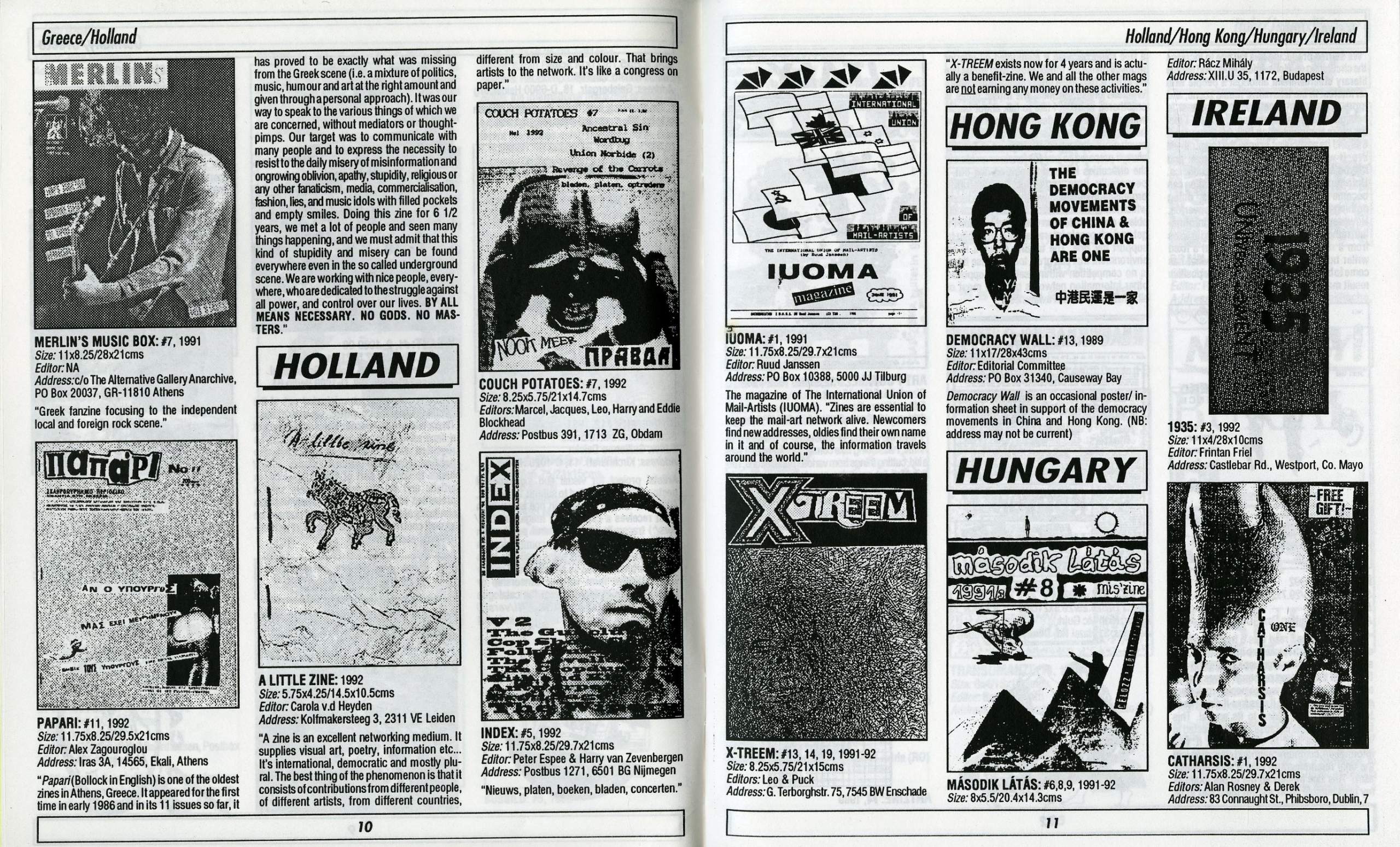
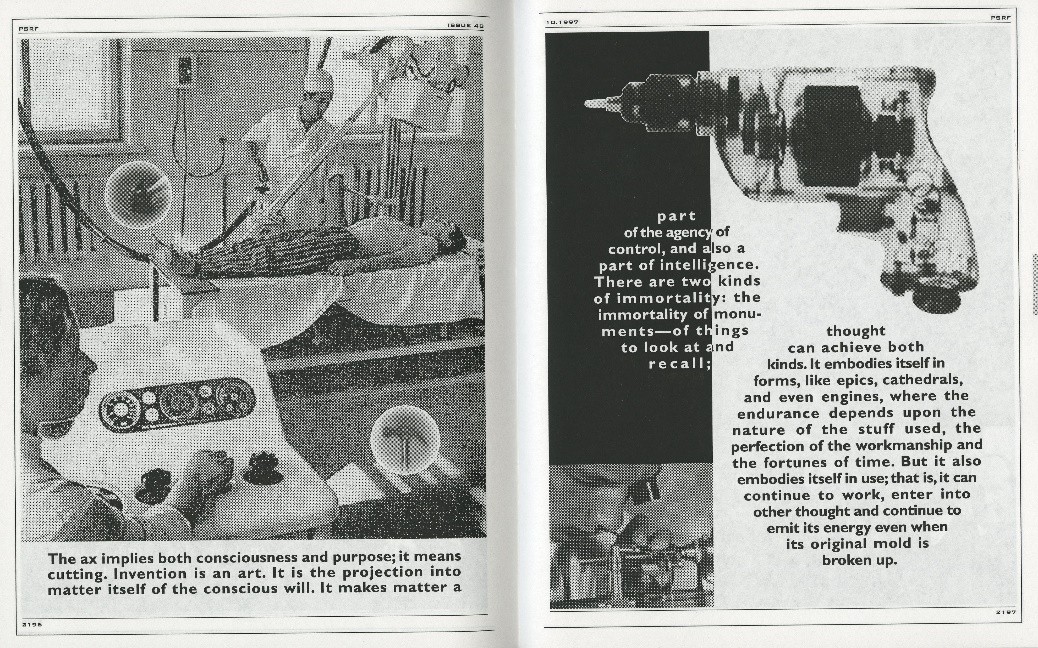
The physical publications are something special entirely on their own, alongside the decorated ephemera and posters. What can be especially admired is the technique used to create the interior graphic design/formatting as it is simple, and analogue compared to today’s standards. From what I can gather, publications would be collaged together with writing and imagery stuck into one master copy and thereafter copied in mass and distributed globally. Using public photocopiers, I can assume it resulted in some lower quality scans which allowed for uniquely handmade textures and dynamic graphic design. This collaged technique leant itself to exploratory formatting, experimental and often quite unintelligible typography.
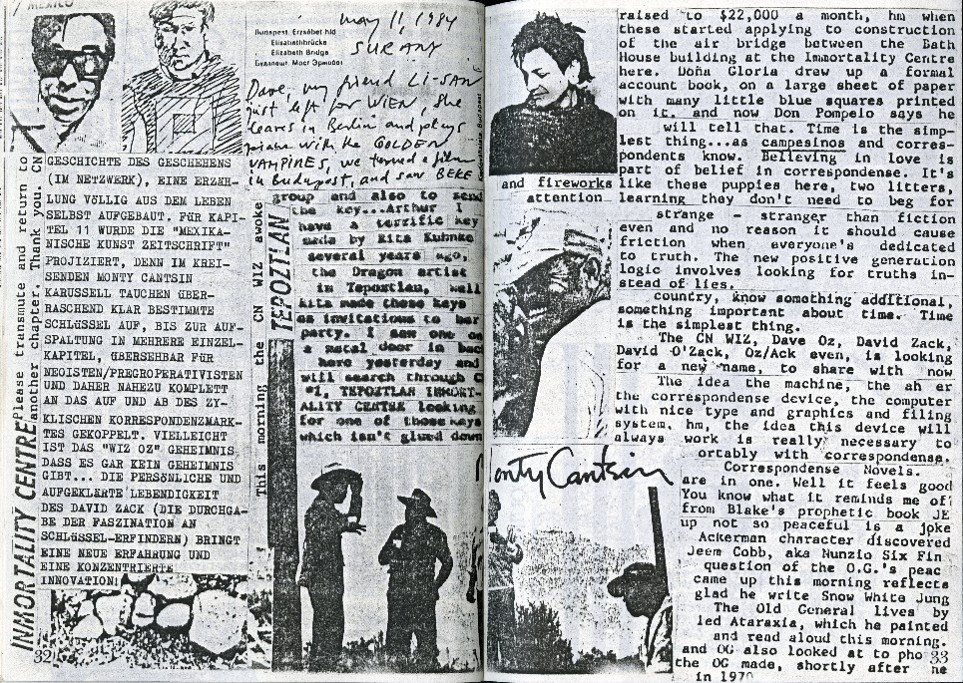
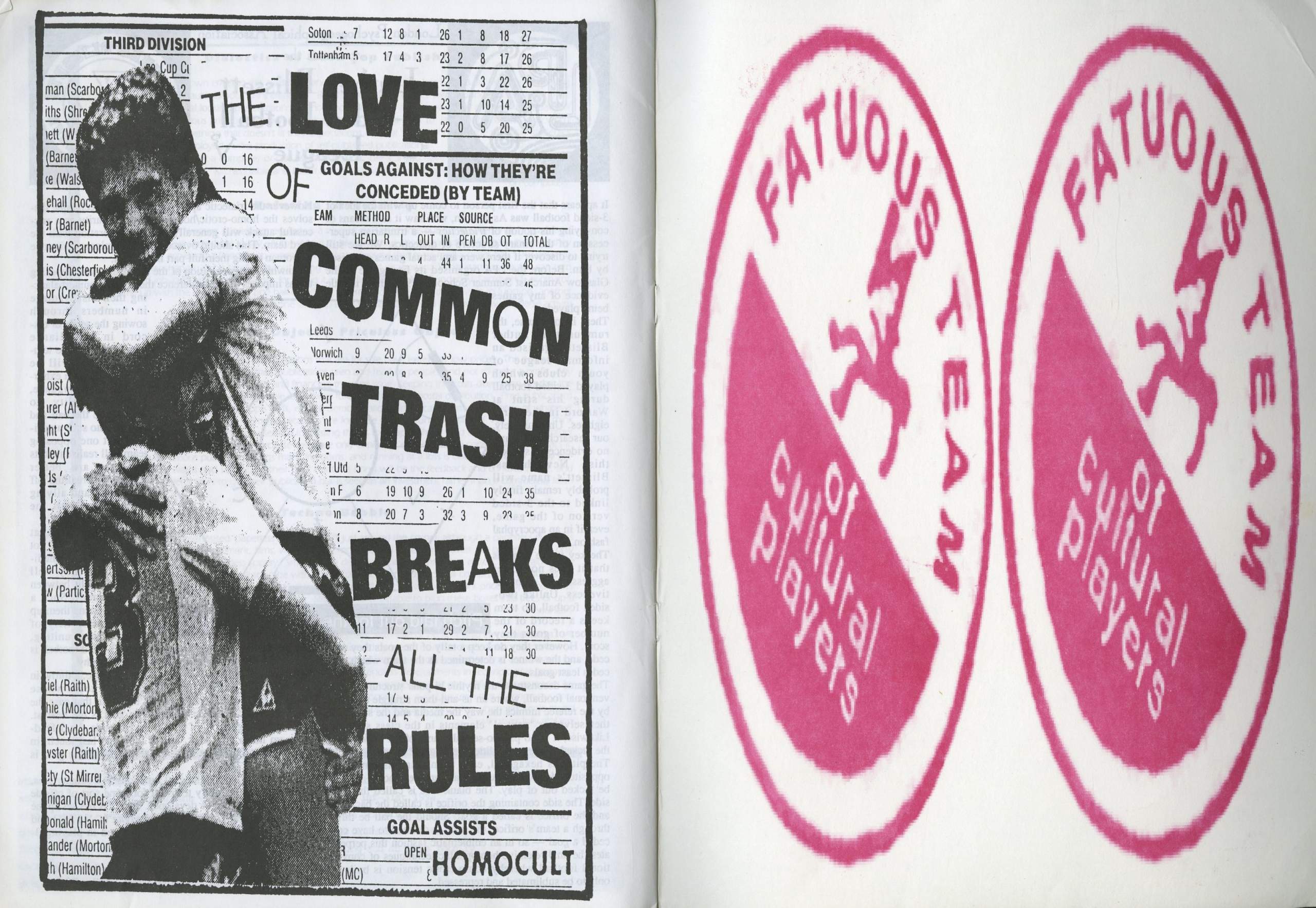
Some of my favourites being a very long zine, a zine with a magnifying glass attached to it and a publication covered in red tape and baby doll limbs to horrifyingly mimic some grotesque scene. These zines also often featured stolen imagery which were altered by collage or with words and illustrations drawn over. This theft fit into the plagiarism aspect of Neoism while also contributing the discordant and multi-layered designs of the zines. Interestingly, print textures could only be captured by the technology of the older photocopiers.
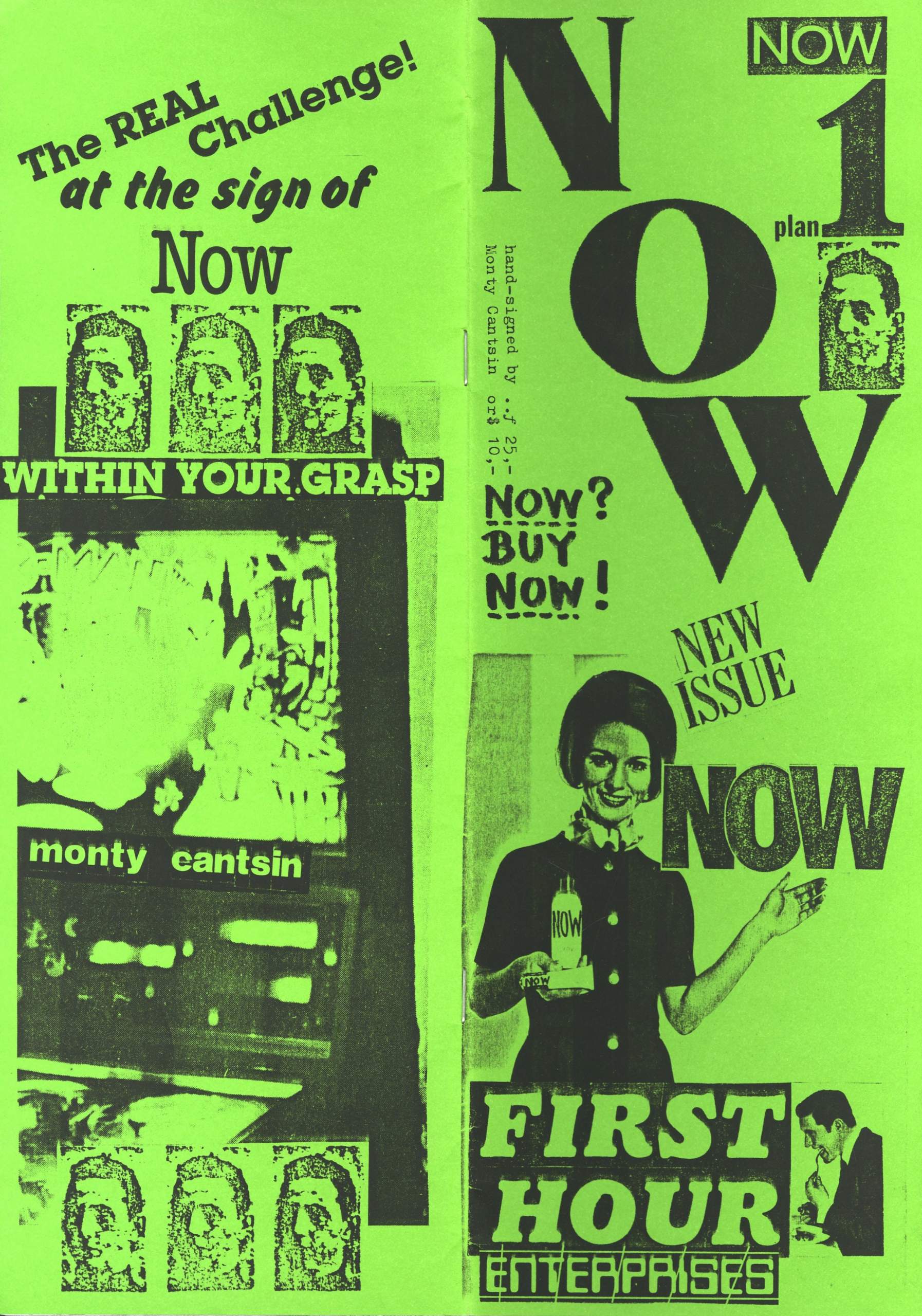
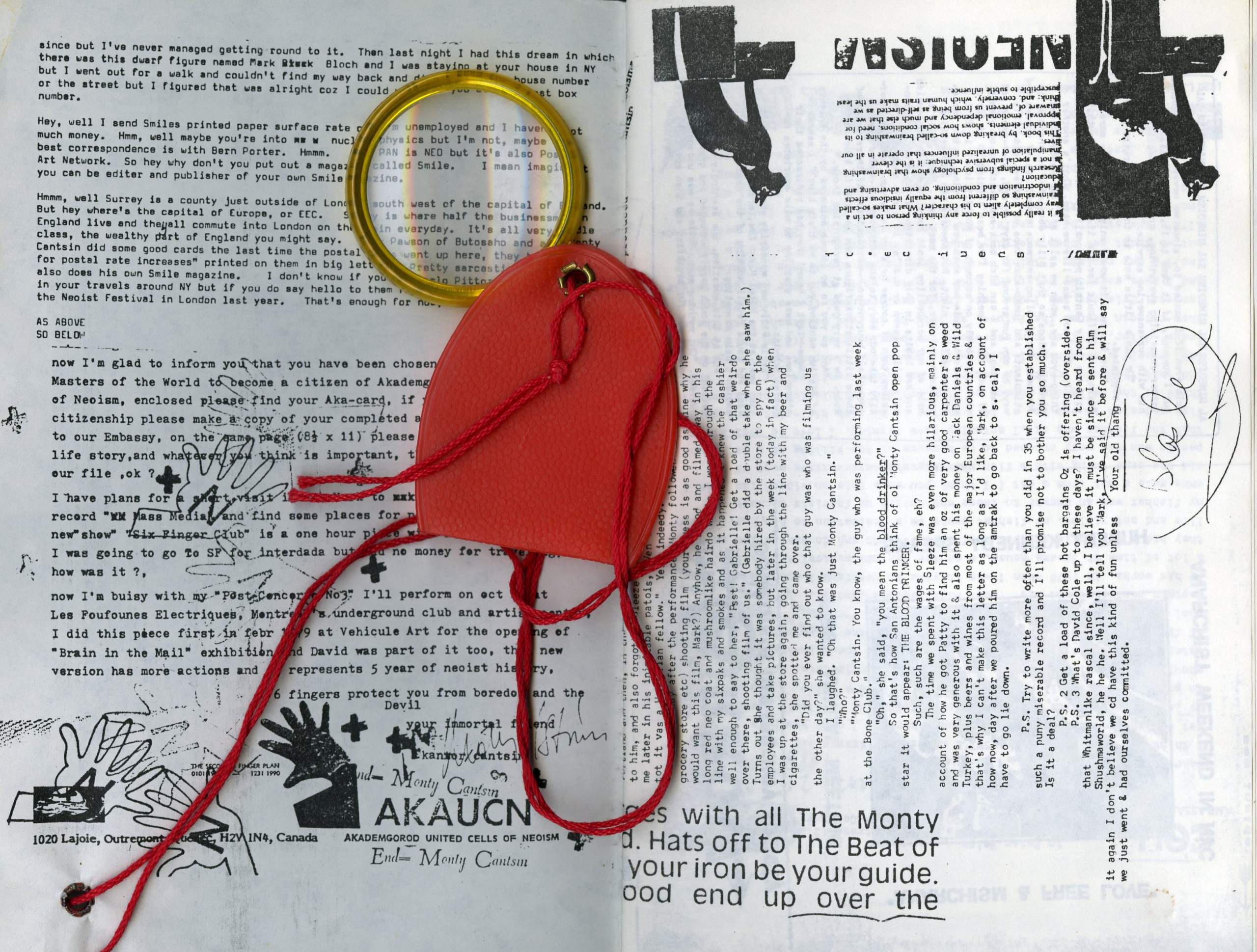
Later in the Mail Art and Neoist publications in the 1990s, creators start to use computers and digital art to create the publications resulting in some especially fascinating works. This collection hosts striking posters which were made by brilliant graphic designers to advertise Neoist and other events and would most definitely appeal to graphic design students and zine enthusiasts. Maybe it wasn’t intentional for the imagery to be necessarily considered “graphic design”, but I do like how it was used in an avant garde contemporary scene rather than its usual rigid commercial setting.
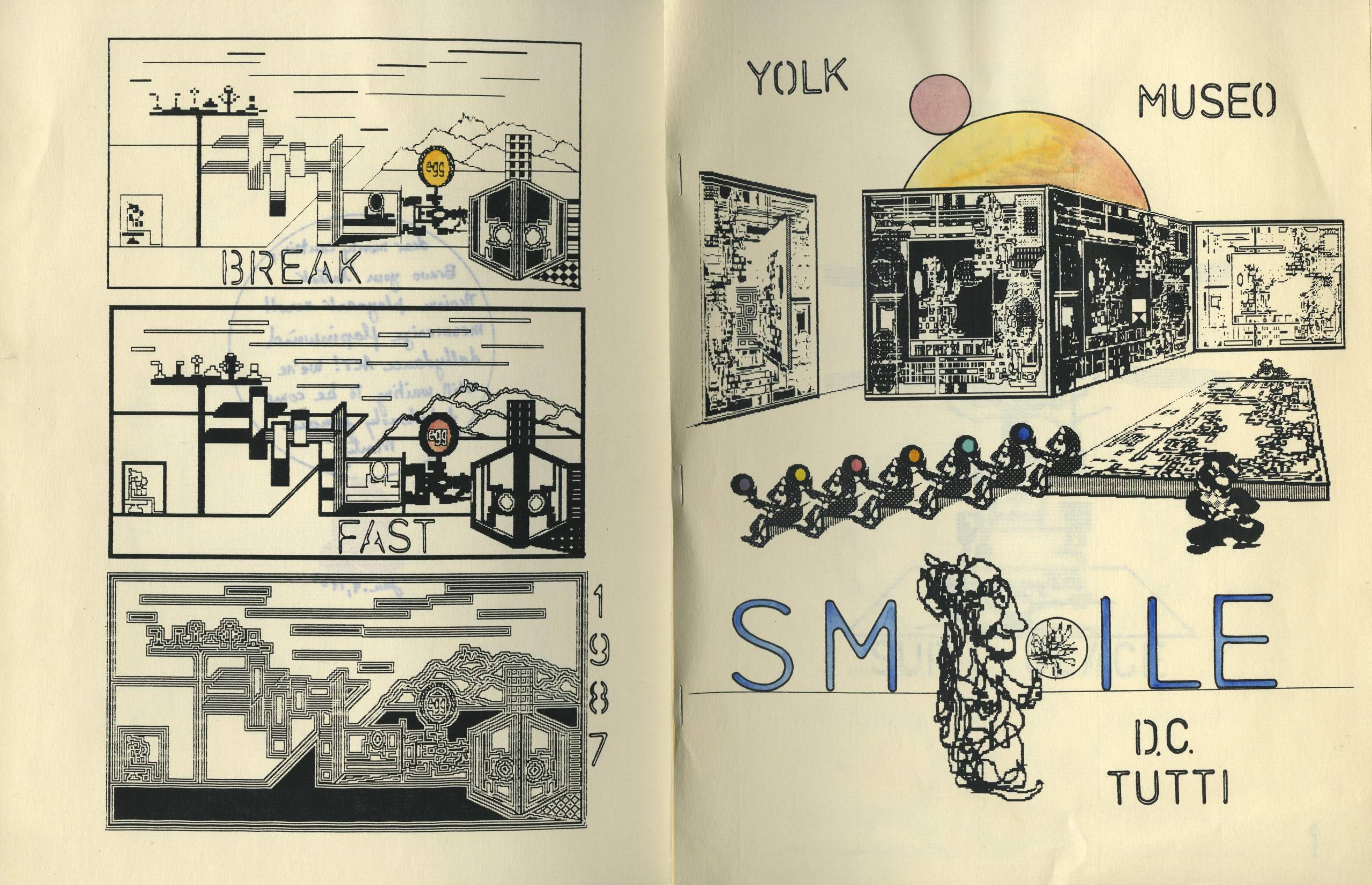
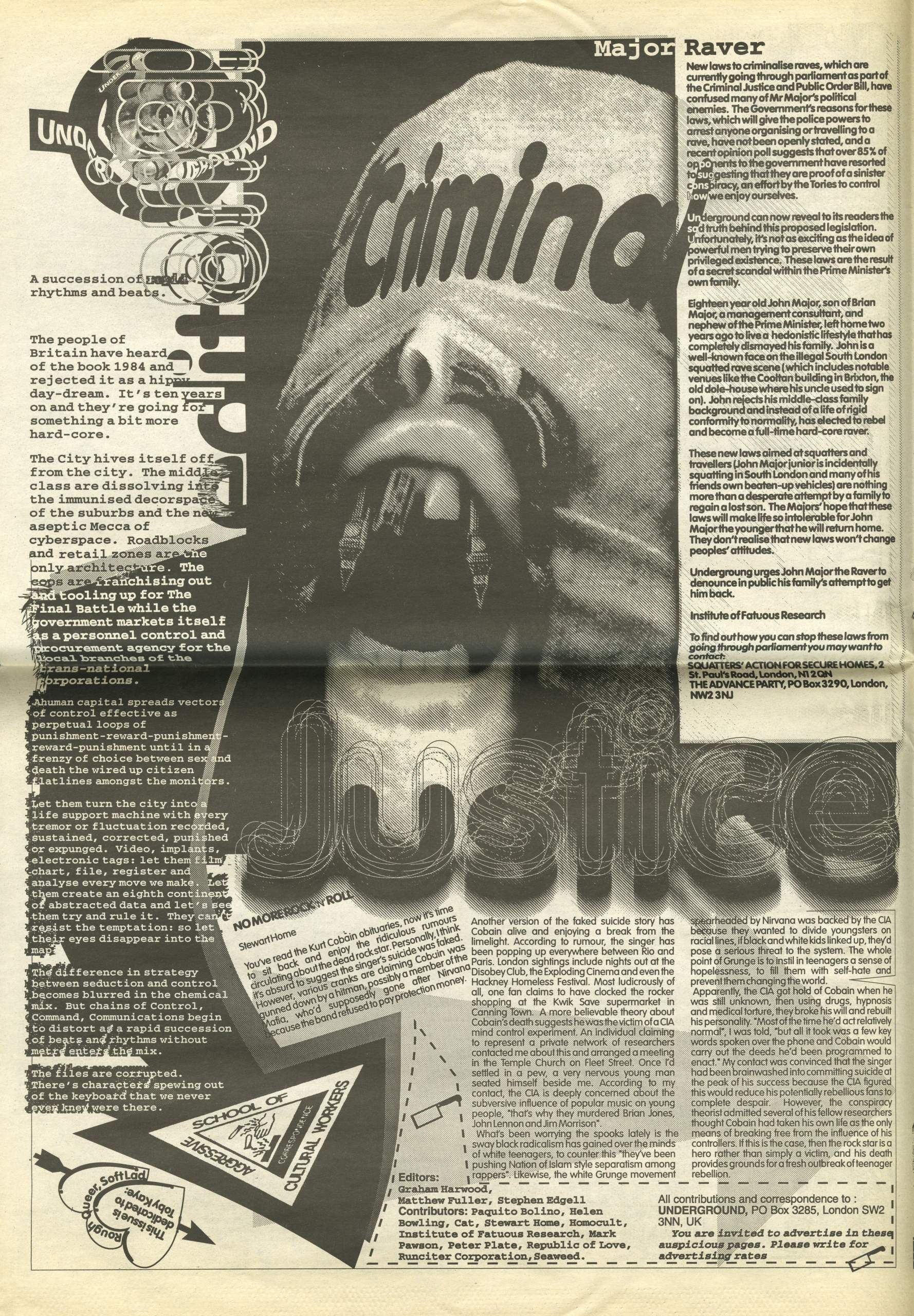
This Neoist and Mail Art collection is a fascinating look into a niche subculture which ran from the 70s to 90s, and with all the work we have stored at the university’s archives, it is worth having a parse through. For those interested in zines, I especially recommend the independent publications, graphic design and other decorated ephemera in the collection. I would also encourage the massive amounts of avant garde music and performances we have on all types of media, alongside the intriguing but puzzling pages and pages of what Neoism might be? Or might not, or whatever the Neoists felt like writing…