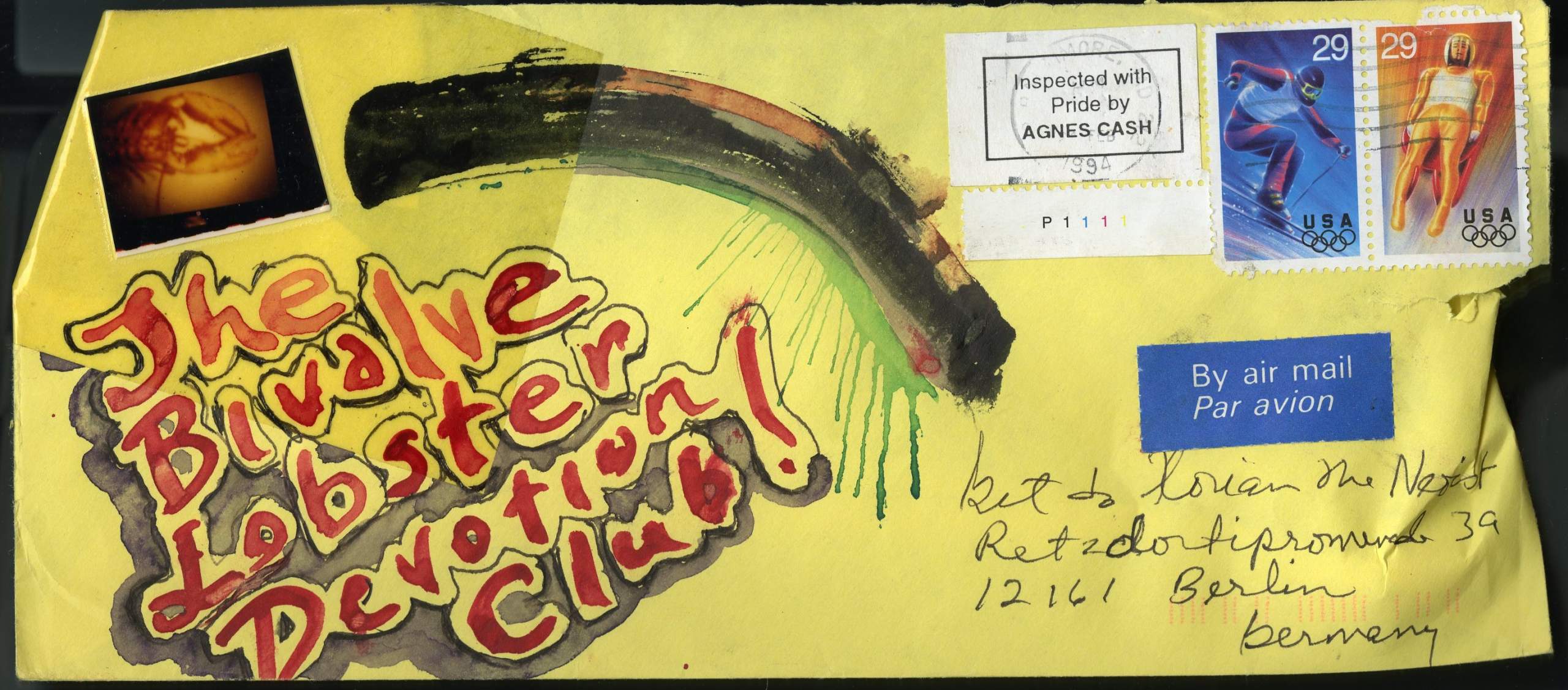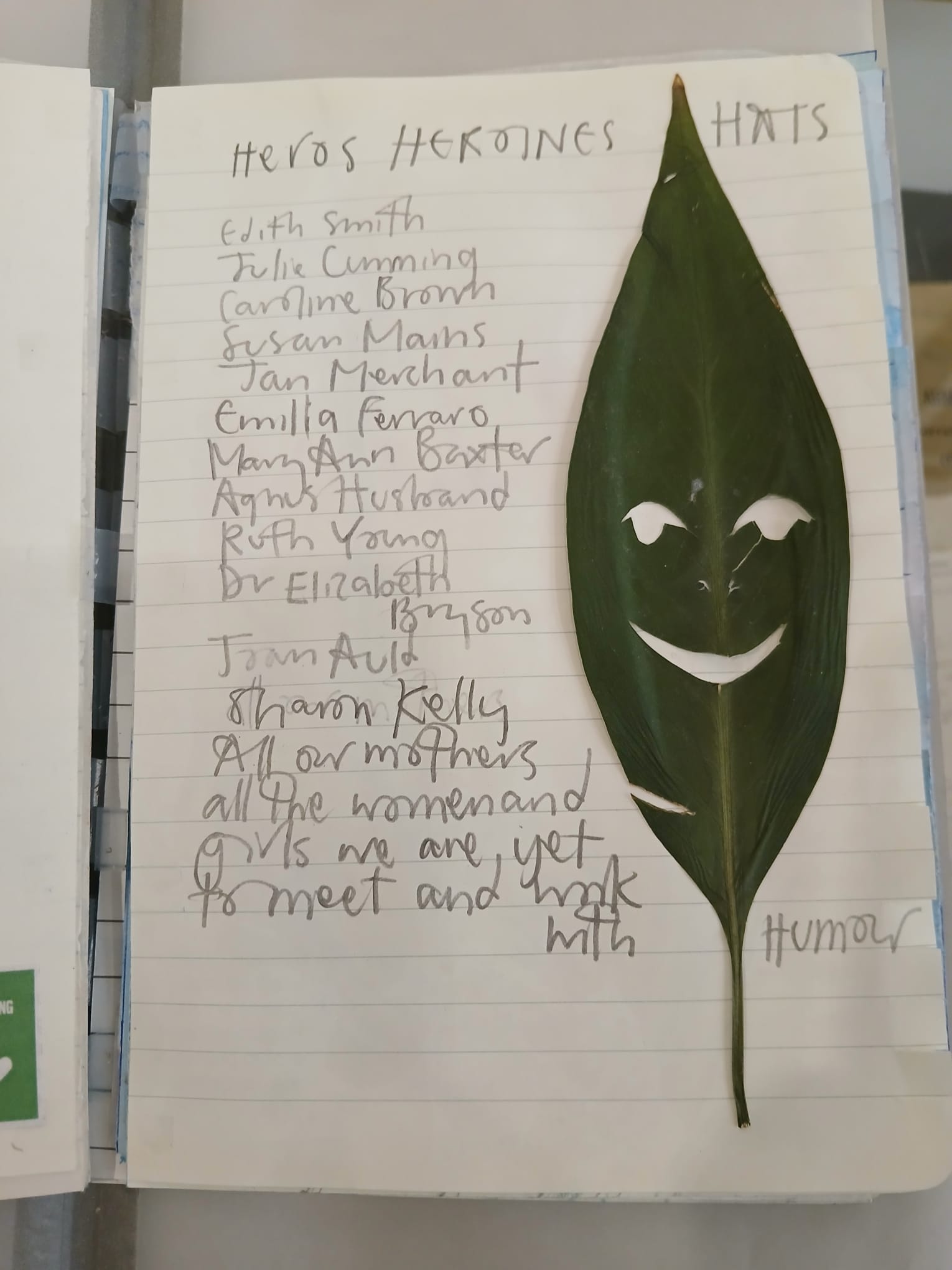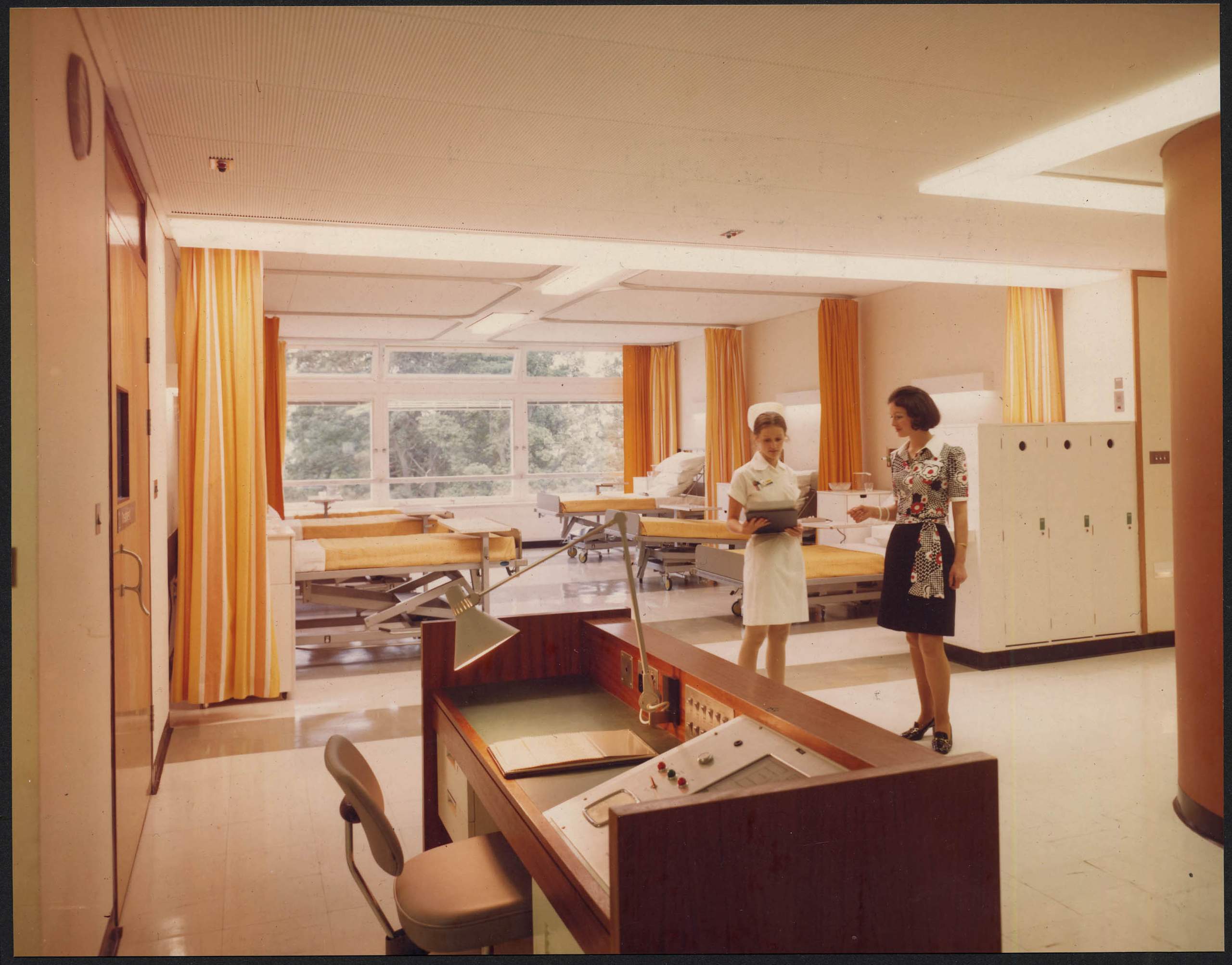
The stories of inspiring individuals with a connection to the University were recently celebrated in an exhibition where the work of artists, designers and writers sat alongside archive material. Some of the items are reproduced here to remind us how remembering past achievements and celebrating the contribution of individuals can bring us together as a community, encourage us to be creative and inspire us to strive to make a difference, however small, ourselves.
D’Arcy Wentworth Thompson and Patrick Geddes
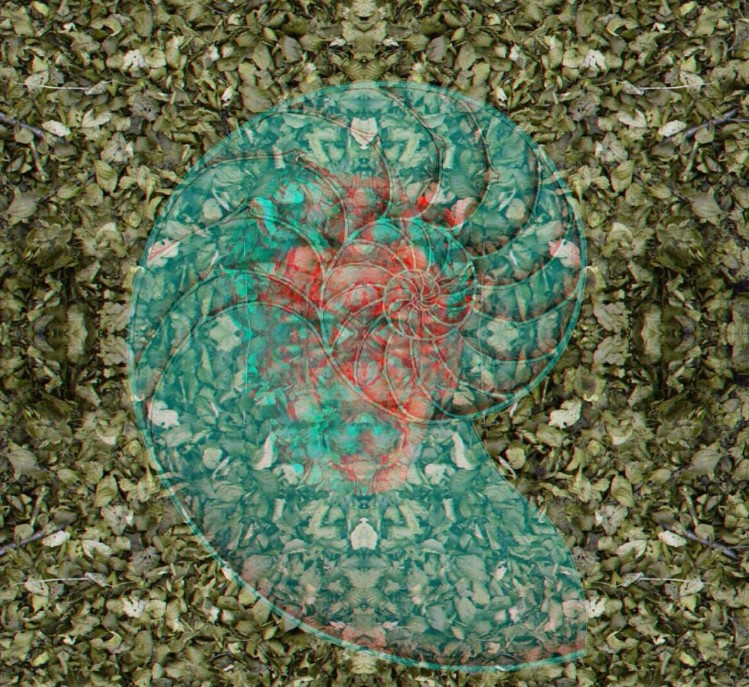
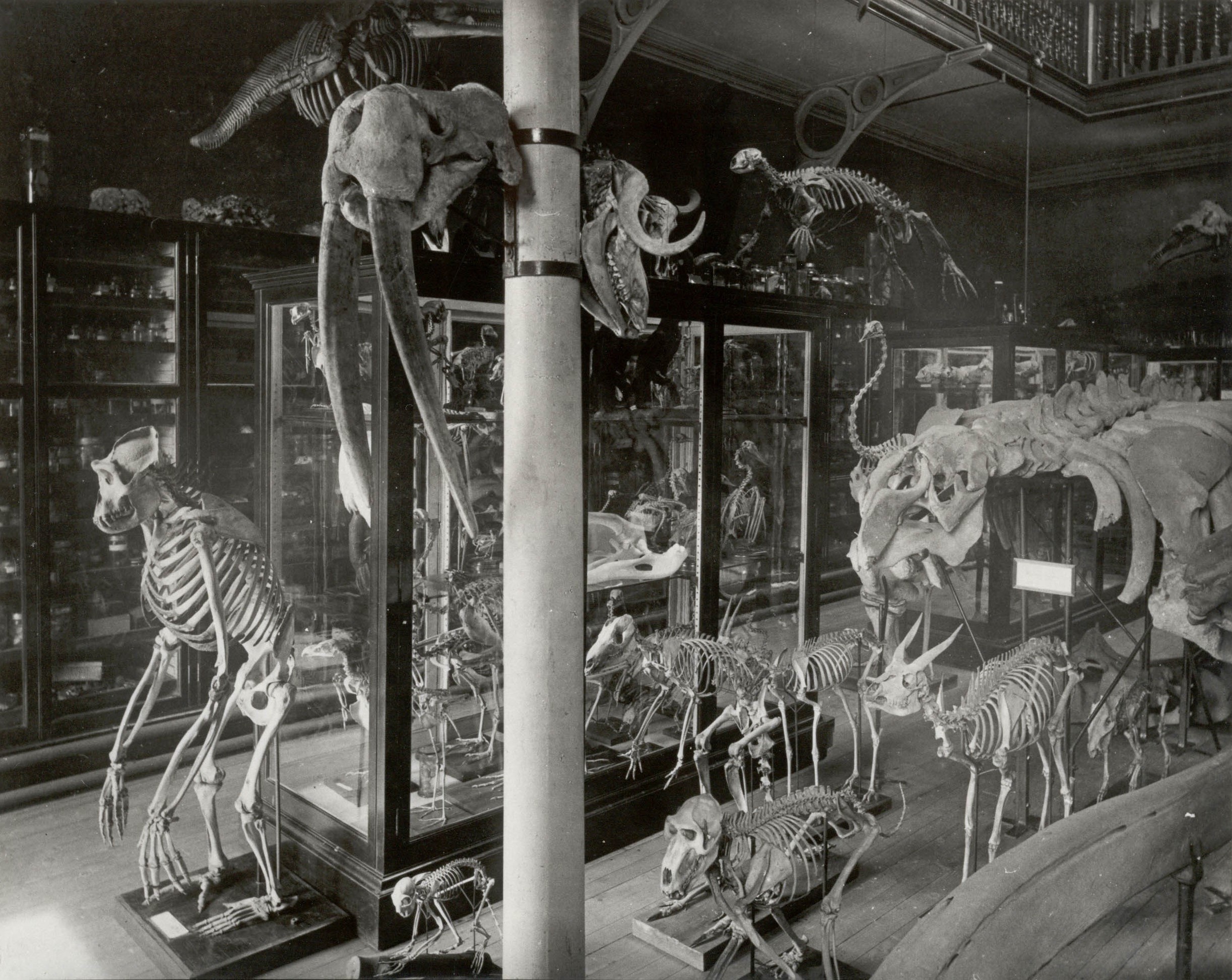
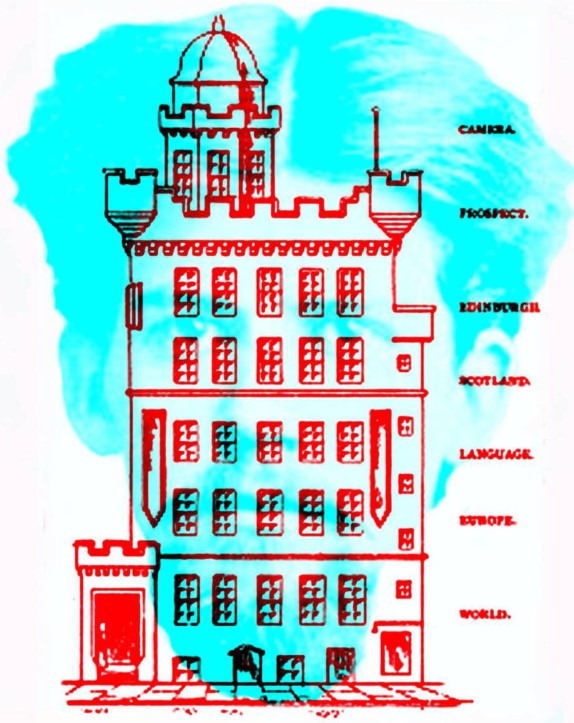
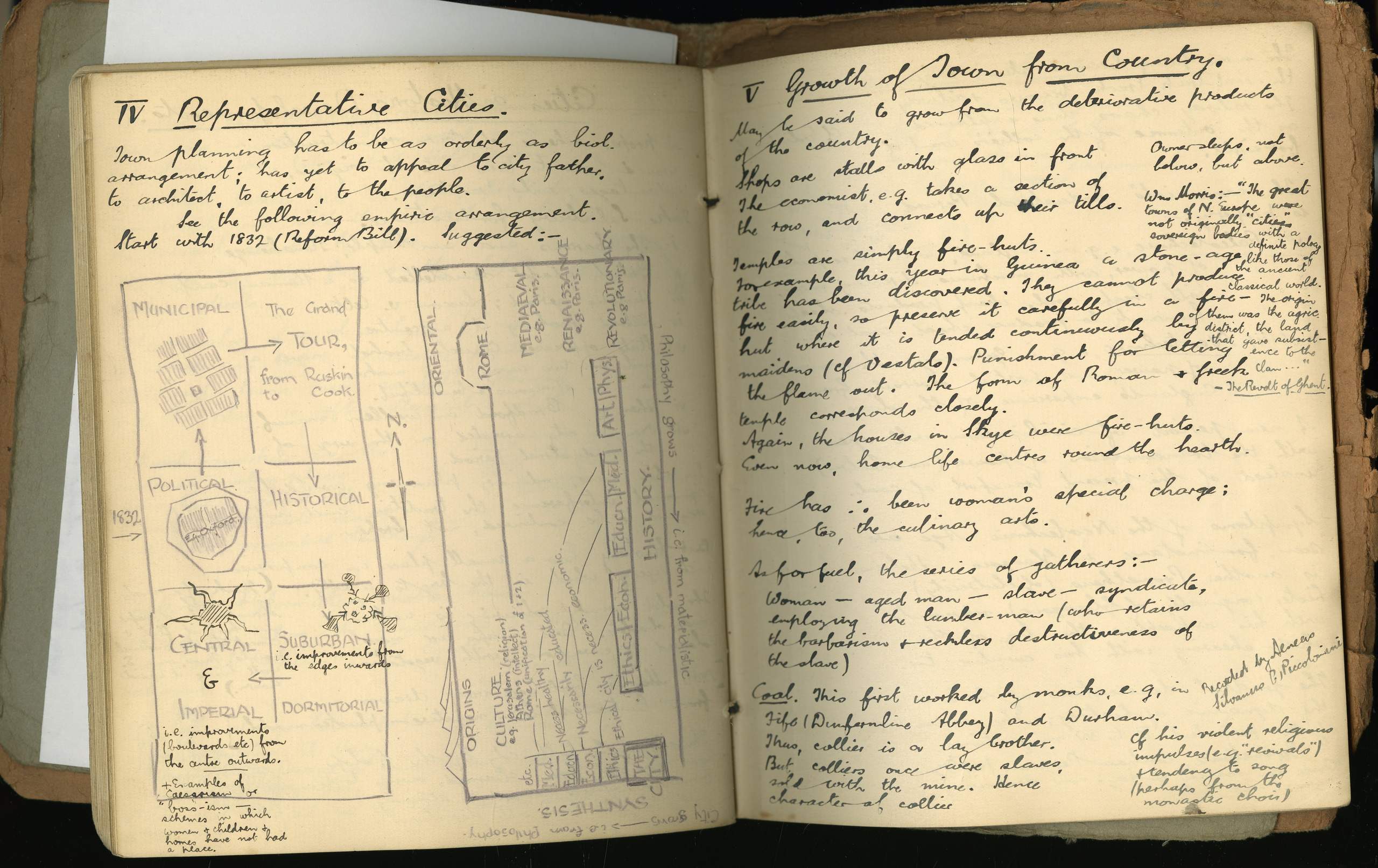
D’Arcy Thompson was Professor of Natural History at University College Dundee from 1884 to 1917. He is best known as the author of On Growth and Form, a hugely influential book which described the mathematical beauty of nature and the mathematical basis of the forms of animals and plants. It pioneered the field of mathematical biology and had a profound impact on many other subjects including art, architecture, anthropology, geography, cybernetics and systems theory. Geddes was Professor of Botany at University College Dundee and had an impact as a biologist, sociologist, geographer and pioneering town planner. Known for his innovative thinking in the fields of urban planning and sociology, his works contain one of the earliest examples of the ‘think globally, act locally’ concept. Thompson and Geddes inspired Nicholas Wade to create these anaglyphs – pictures printed in colours that match the red/cyan viewers. Anaglyphs are simple stereoscopes which present different stimuli to each eye; closing one eye and then the other will result in seeing the left and right eye images separately.
Edward Waymouth Reid
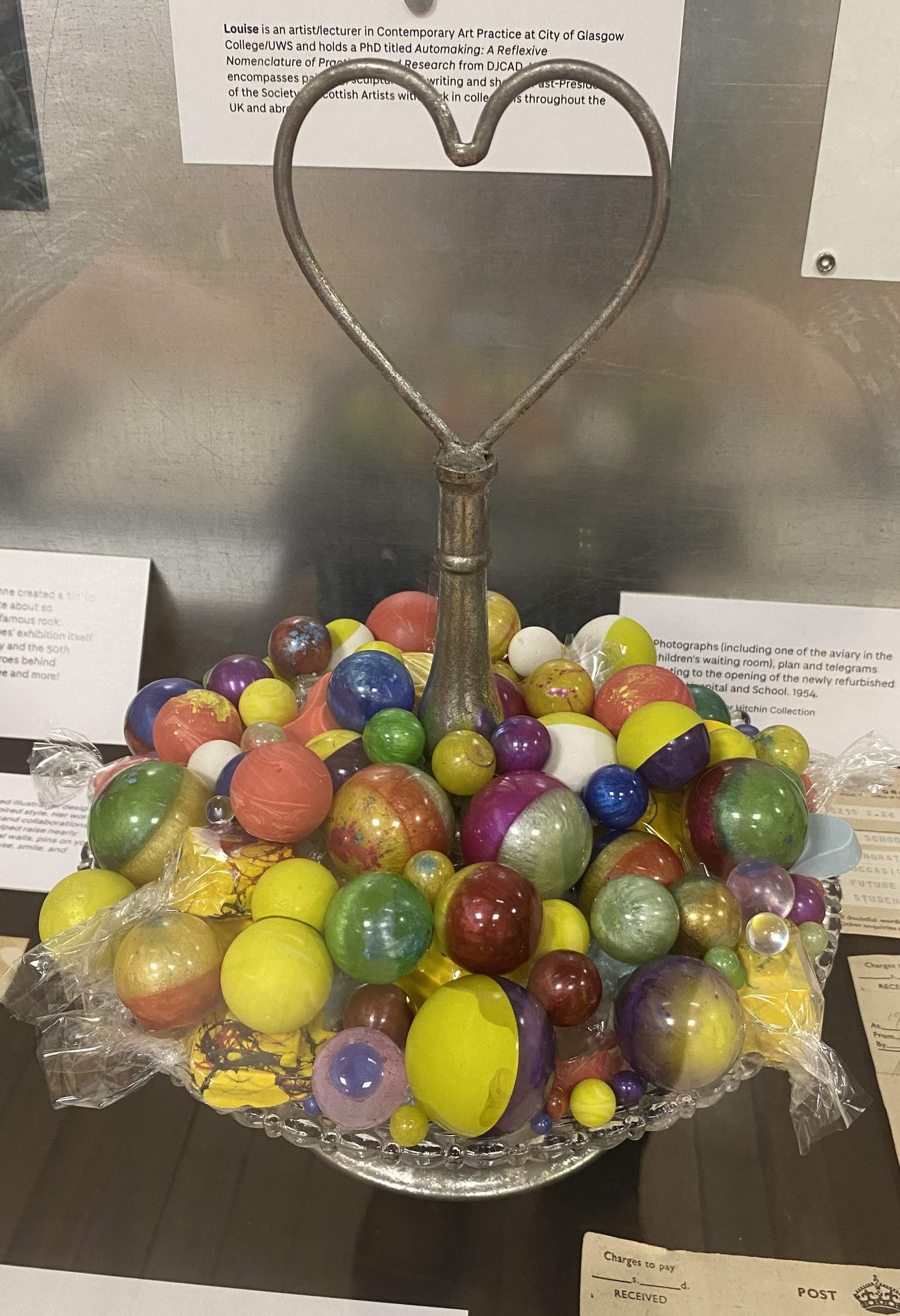
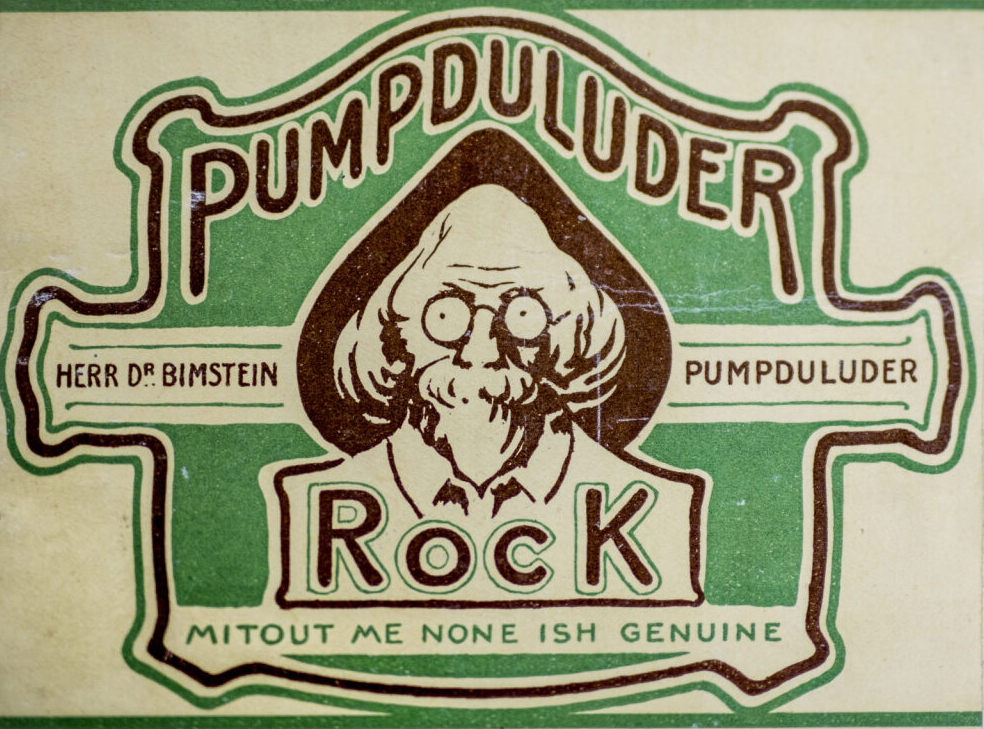
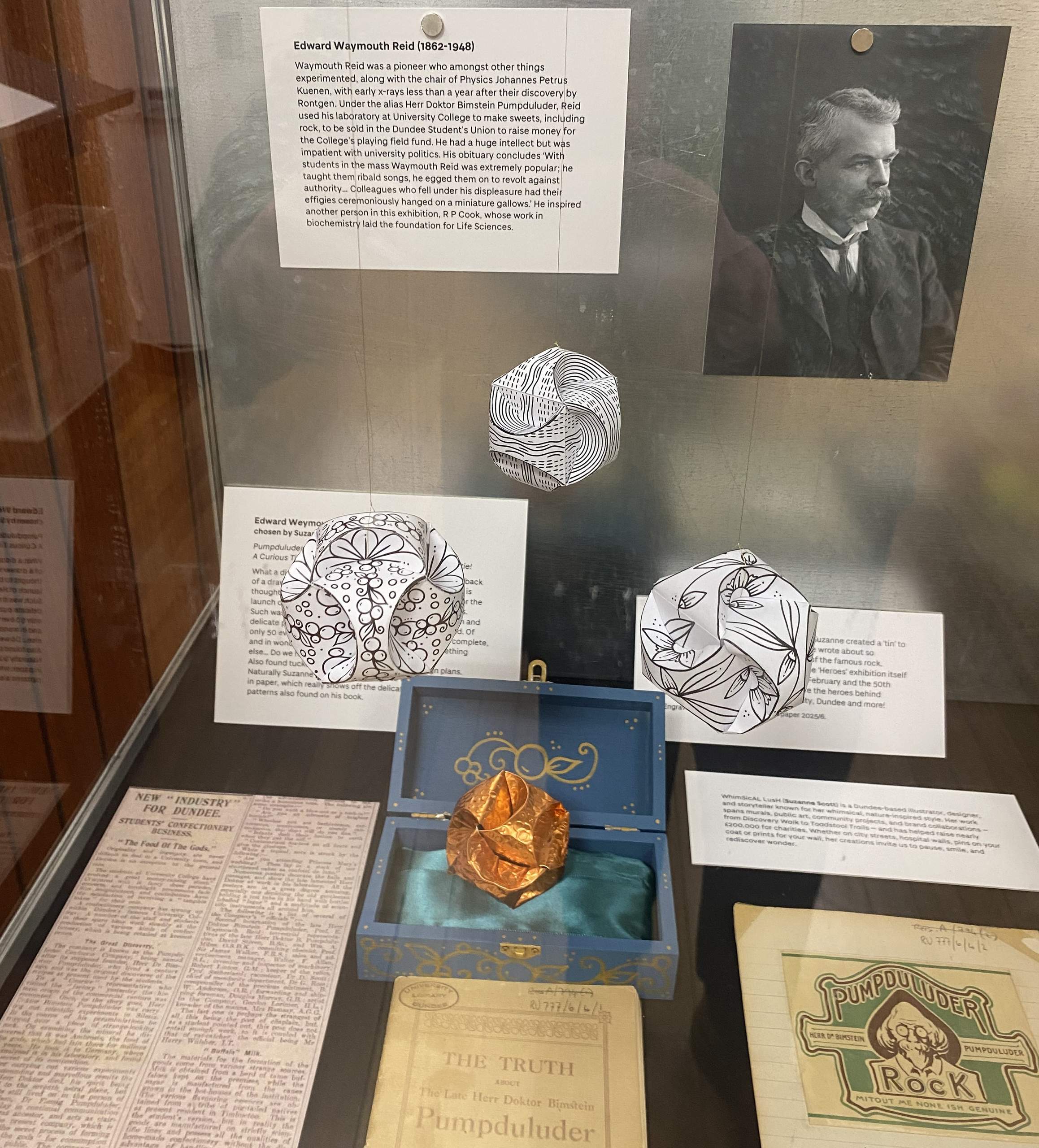
Waymouth Reid was a pioneer who amongst other things experimented with early x-rays less than a year after their discovery by Rontgen and doing so caused himself some not insignificant physical harm. Under the alias Herr Doktor Bimstein Pumpduluder, Reid used his laboratory at University College to make sweets, including rock, to be sold in the Dundee Student’s Union to raise money for the College’s playing field fund. His bold, unorthodox experimentations and playfulness inspired Louise Ritchie and Suzanne Scott to experiment themselves and create their own sweets.
Robert Watson-Watt
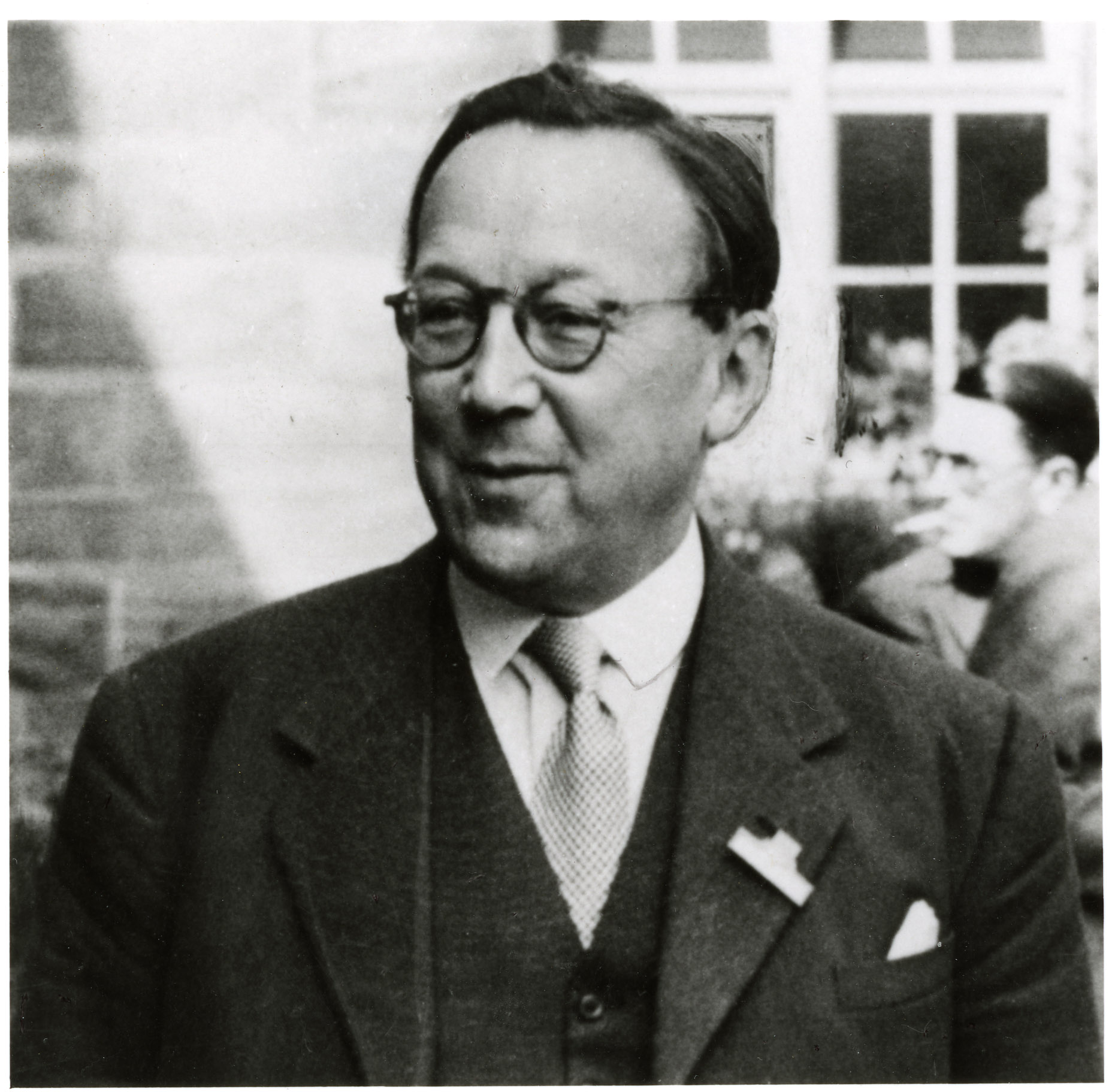
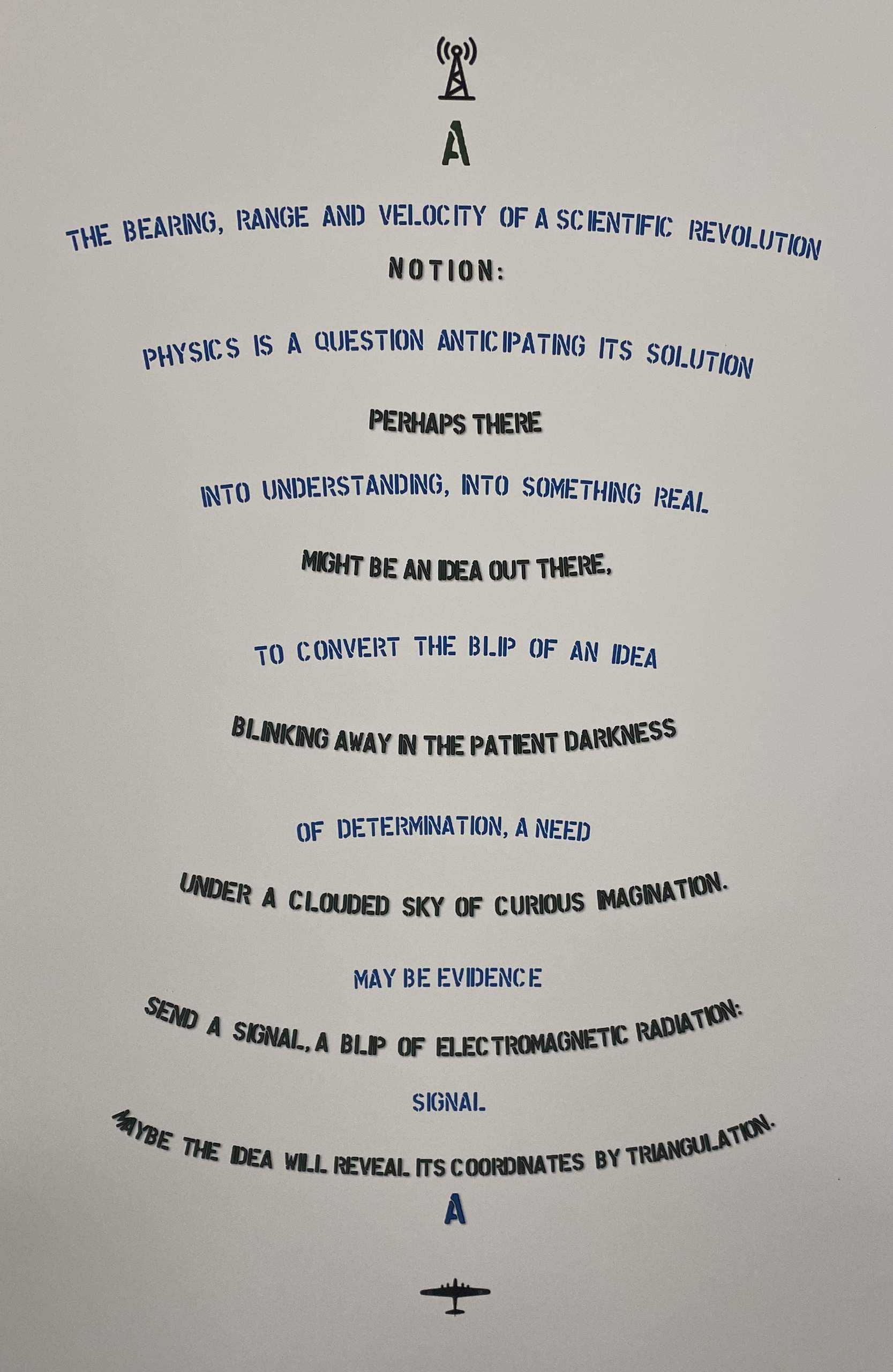
Watson-Watt, ‘the father of radar’ attended University College Dundee graduating with a BSc in engineering in 1912 and became an assistant to Professor William Peddie, Chair of Physics, who encouraged him to study radio. He joined the Met Office during the First World War where he began his experiments which would culminate in the invention of radar. On the outbreak of war in September 1939 Watson-Watt housed nearly 200 government researchers in the University and the Scrymgeour Building (then the Dundee Training College) to look at the application of radar in a war setting. Poet Andy Jackson created a poem inspired by Watson-Watt showing the way radar operates; a signal is transmitted using waves of electromagnetism, and objects in the field of waves reflect a signal back towards a receiver.
Richard Charles Alexander and Alexander David Peacock
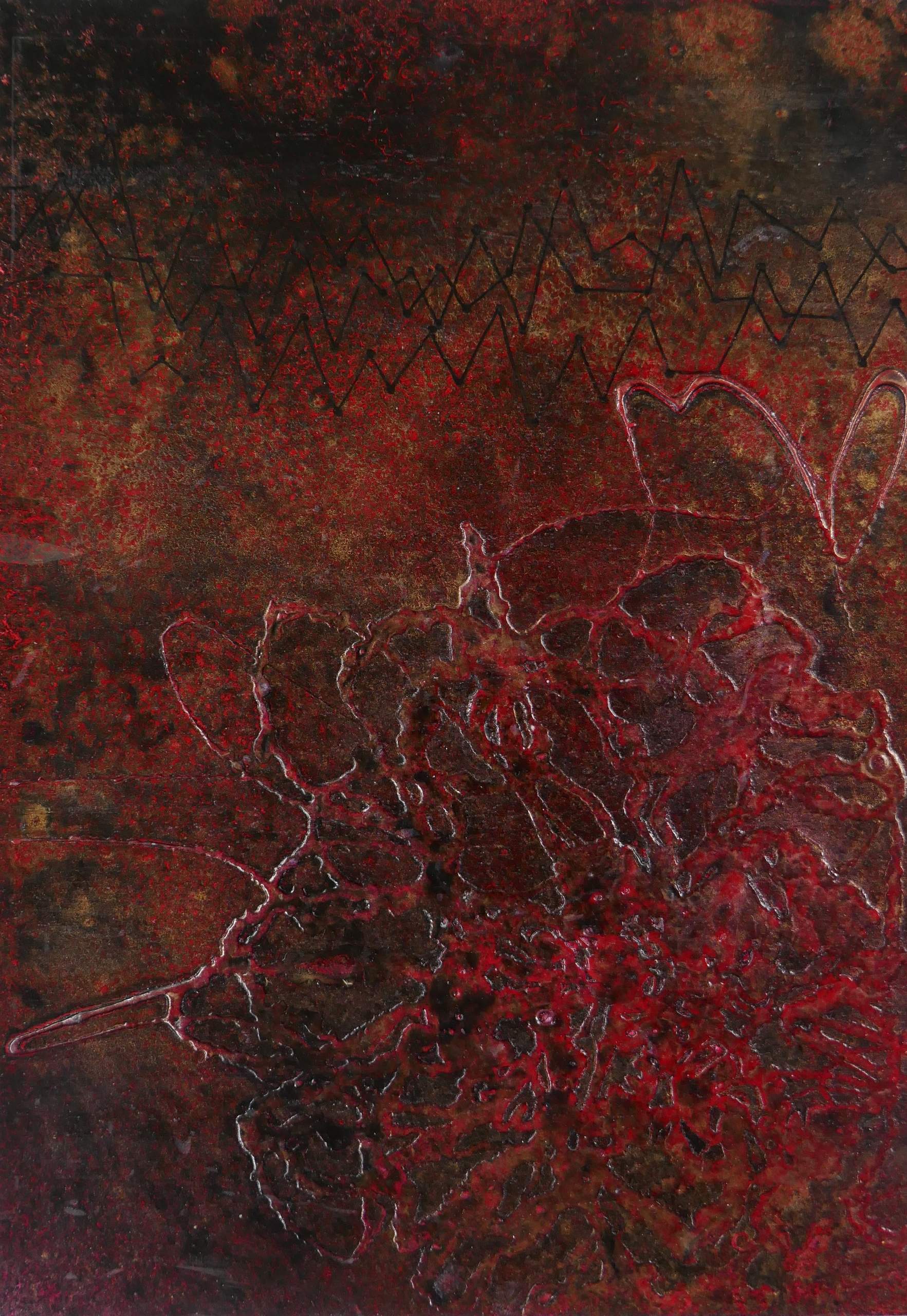
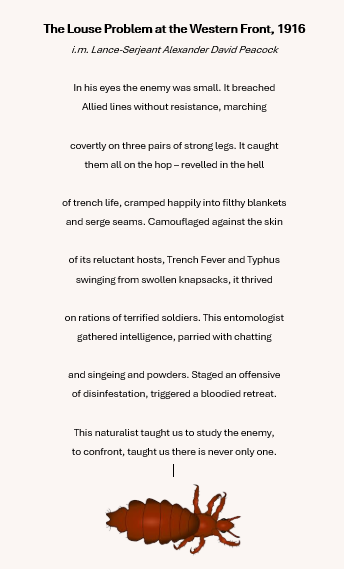
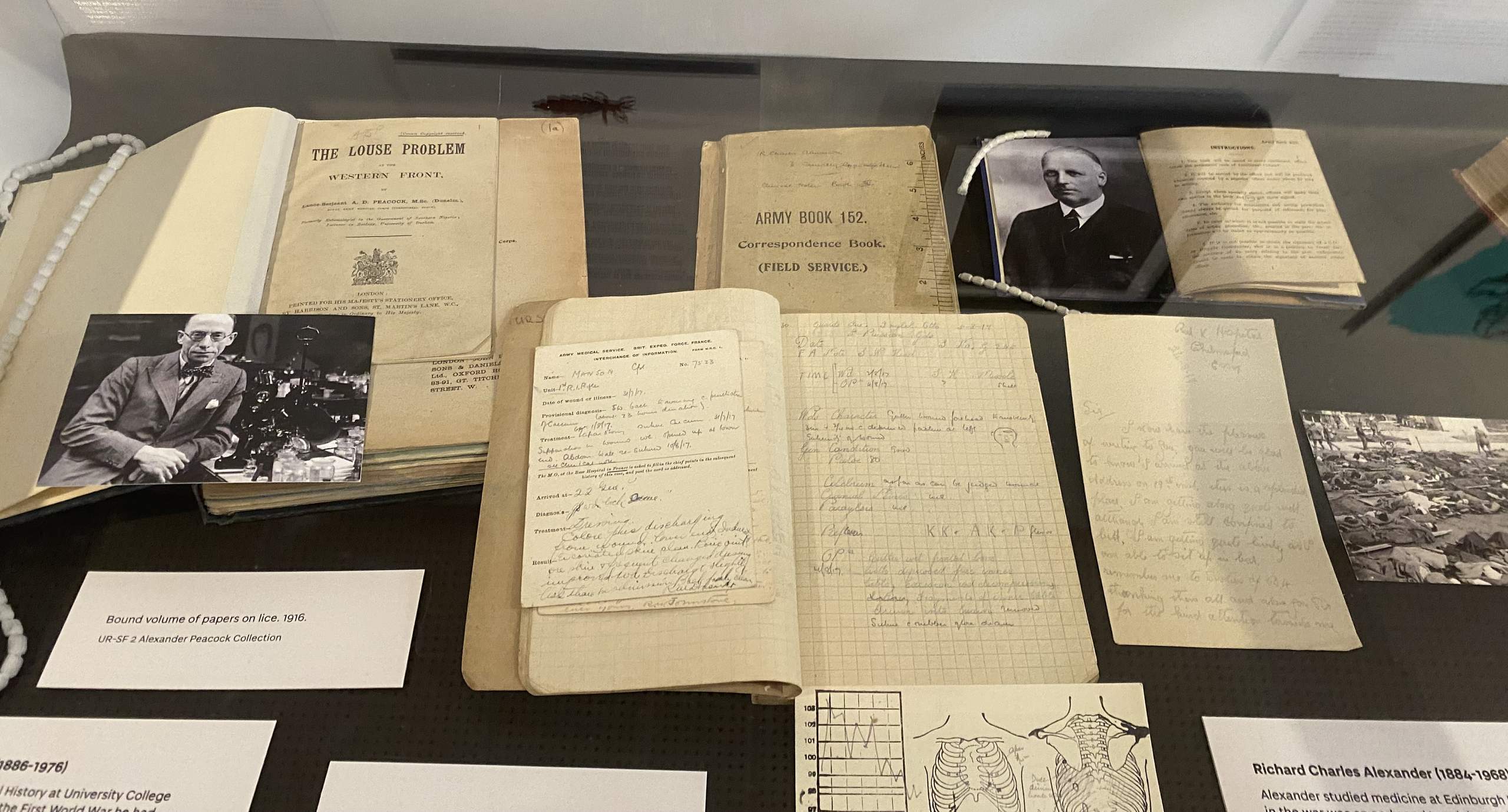
Alexander studied medicine at Edinburgh University and his service in the war was an early and tough lesson in practical surgery. This experience helped secure his appointment in 1921 as visiting surgeon at Dundee Royal Infirmary and lecturer in clinical surgery at the University College Dundee. He became Professor of Surgery in 1935. He was awarded a CBE for his contribution to emergency medical services during the Second World War. Nicola Moss created a mixed media response Alexander’s war notebooks and records of injuries, progression of diseases, and treatments relating to the men he examined during this time. Peacock was Professor of Natural History at University College Dundee from 1926 to 1956. During the First World War he had carried out important research on trench fever and its transmission by lice which allowed the Royal Army Medical Corps to develop effective methods of control. He was awarded a Distinguished Service Cross for this work in 1927. In Dundee he was involved deeply with the local Polish community and was president of the city’s Polish Society. Poet Nikki Robson was drawn to the idea that this peace-time civilian identified a war within a war on an almost unseen enemy, that this steered the work of the Royal Army Medical Corps in disinfestation and that it alleviated significant discomfort and disease in the trenches.
We will highlight more individuals from the exhibition soon, in the meantime if you want any further information contact the Archives: archives@dundee.ac.uk or visit the website www.dundee.ac.uk/archives .