

Making your staff profile more visible for AI search
This blog post explains how we’re improving our People pages, so that AI tools can find and reference them. Short on time? Jump straight to how you can help A changing search landscape The way in which people are finding…
How to refine a search in just one phrase
Our website has tens of thousands of web pages. Searches must return meaningful results for our audiences to find the right information. Search engine optimisation (SEO) is a practice aimed at enhancing a website’s visibility and ranking on search engine…

Integrating job adverts with our website
Opportunity In late 2023, the People Directorate approached Web Services about listing job vacancies. Putting jobs back on the website would make it easier for people to find and share that information. Web Services has a desire to signal-boost the…
Reducing the carbon impact of University websites
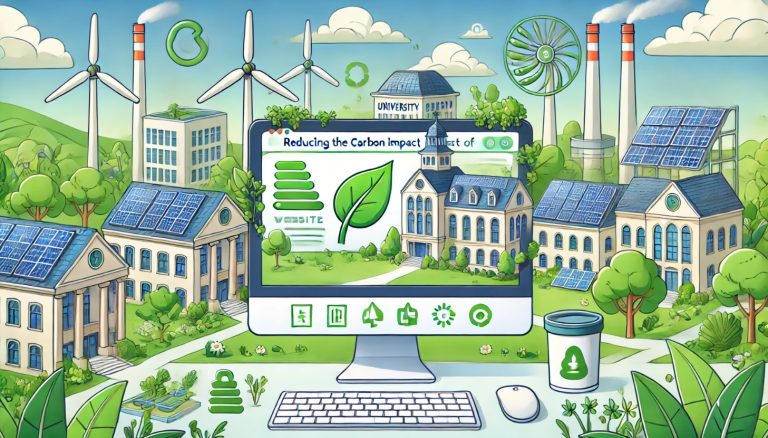
The University of Dundee is committed to reducing all carbon emissions to a net zero position by 2045. That’s the best part of 20 years away depending on when you start counting. However, with the most difficult part of that…

Putting student voices at the heart of the University website
This week we’re proud to launch the new Student Voices web pages. This marks the end of the Student Blog WordPress website that was launched back in 2012. Content from the blog has been migrated into a new section within…

Why we don’t use Word document forms
Word document forms are unable to meet our legal accessibility requirements.
User testing the PhD webpages
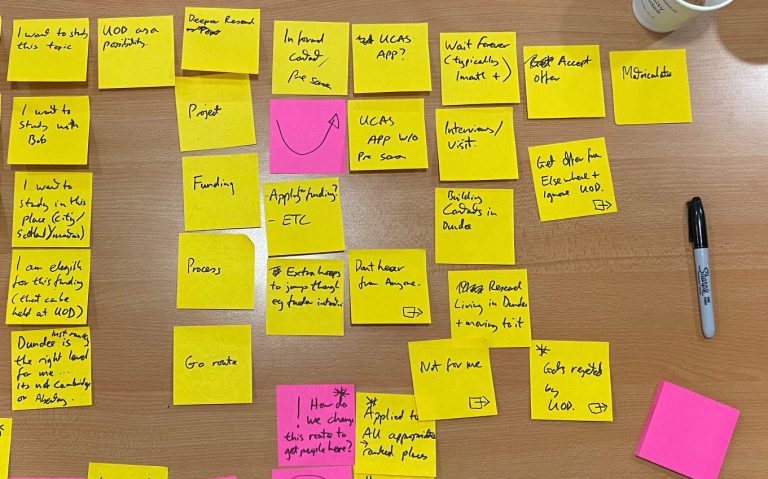
One of our current projects is to create a smoother and more streamlined user journey for prospective students who are researching, deciding on, and applying for, PhD opportunities. Ultimately, this should contribute to an increase in high quality PhD applications…

Auditing and improving guide content
Over the last month, Jonathan from the Web Services team has carried out an audit of guide pages on the University website. It’s been an incredibly useful exercise, not least because it’s made me reflect on why we created guides…
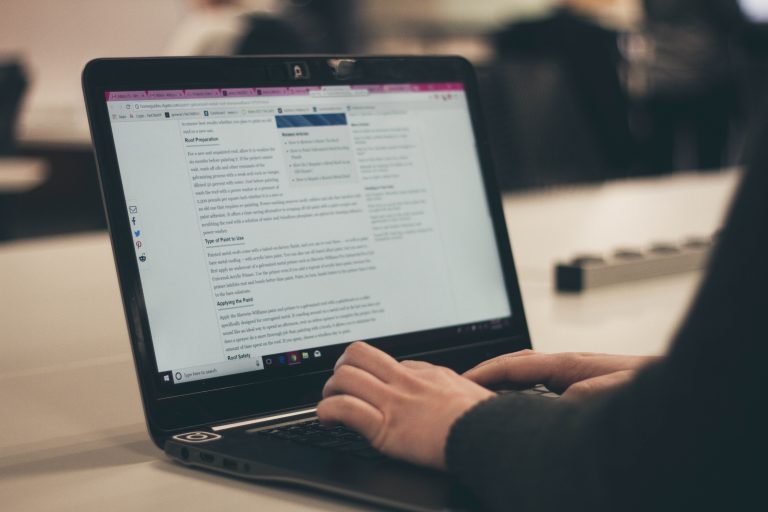
The importance of headings when writing for the web
In this post I want to focus on something seemingly unremarkable but important when writing concise web content. Headings. The benefits of using headings Headings are used to break up the different parts of your page content to give it…

UX Scotland: creating a better user experience
I woke up early and jumped on the train to Edinburgh for an unexpected trip to UX Scotland. Steve in our team sadly couldn’t make it. I jumped at the opportunity. Reading back over my notes and rewriting them has…

Help! We’re addicted to PDFs!
Frequently during the web migration project we have felt as though we’ve been drowning in a sea of PDFs, particularly during work on policy-heavy sites. The team has made a tremendous effort to drastically reduce the number of PDFs we…

The effectiveness of search
We had website-search at the project’s core to replace the website. A key objective we wanted to achieve from any search system was to allow people to get the correct information faster without getting fed up and leaving the site.…

New web pages promoting study abroad opportunities
This week, we’re excited to launch new web pages for promoting study exchange opportunities at the University. Go Abroad provides UoD students with study exchange opportunities and also information and support on this topic. Its main focus is a list…

Why we don’t have FAQs on the website
Somewhat ironically, given its title, this blog post is in response to a question we are asked on a regular basis: why don’t we allow FAQs on the website? As part of our web migration project, we’ve been working with…
Writing for the web, make it simple
People are constantly bombarded with information from all directions. Whether it’s social media, news outlets, or advertising, the sheer volume of content can be overwhelming. It’s important to cut through the noise and deliver content that is clear, purposeful, and…
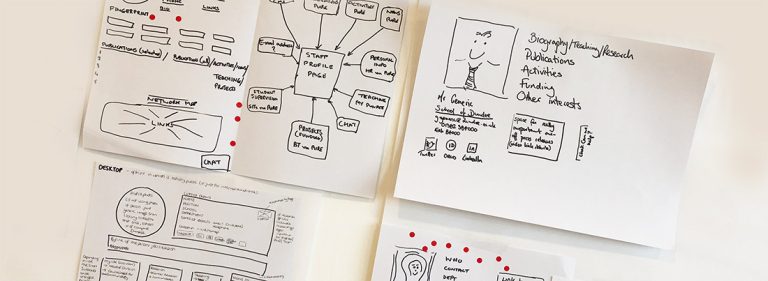
The evolution of staff pages on the University website
One of the first things many of us do these days when we come into contact with someone new is to google them. In a professional context, this might involve checking out someone’s LinkedIn, or finding their profile on their…

Content migration – what lurks beneath?
For the last 5 years in Web Services, we’ve been consumed by the mammoth task of migrating content from the old website (which uses t4 content management system) to the new (which uses Drupal). Literally tens of thousands of pages…
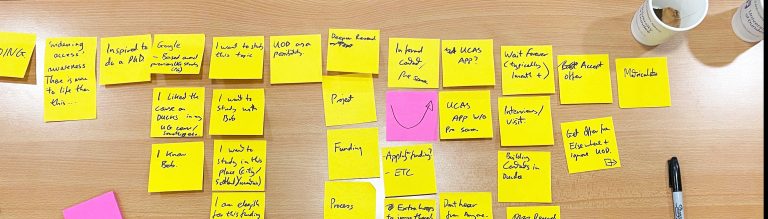
Improving PhD pages on the University website
In May 2022 Web Services successfully launched the new PhD web pages. This marks a huge milestone and is the culmination of work that we started two years ago when we consulted with students and stakeholders around the requirements for the…

Accessibility audits to support digital inclusivity
One of the most important things we do here in Web Services is to work with other teams across the university to ensure their websites and systems are fully accessible. We do this using our accessibility audit process. This article…
Small changes, big improvements: how we’ve improved the University’s pay scales pages
We often talk about larger projects on our blog, but sometimes small changes, and what seem like minor tweaks, can significantly improve user experience. One of our main aims with the new website is to make it easier for people…
Introducing our new CMS platform and partners!
It has taken us almost nine months of hard work, but after a very intensive and thorough procurement process, we’re thrilled to announce that we have selected the Drupal CMS, running on the Acquia platform with our new implementation partners…
Vision for Web – Procurement
We have been planning for some time that the best option in order to fix our web presence, is to completely start from the ground up and essentially ‘starting again’. To fulfil this vision, we knew we could not fit…
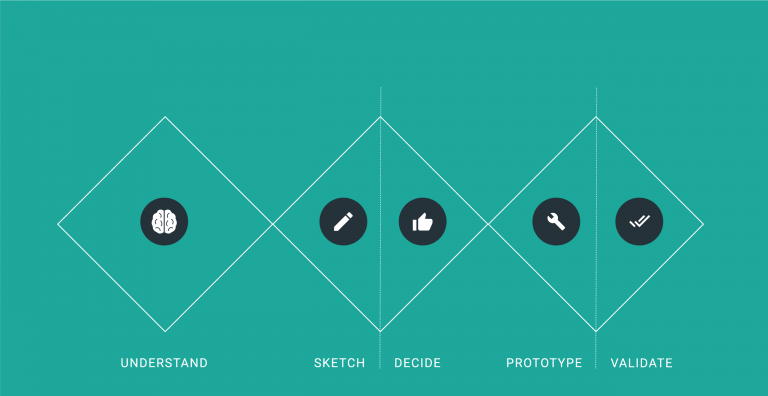
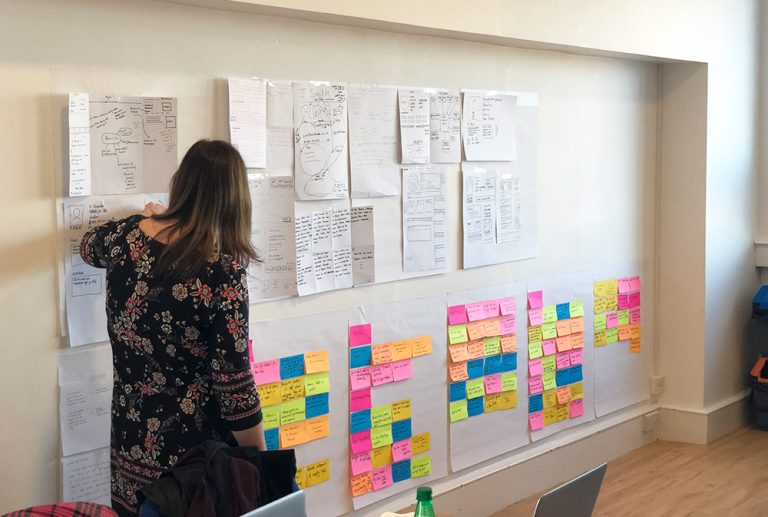
Join a Design Sprint to shape future website experiences
As part of our continuing work on the new University website, we are undertaking a series of Design Sprints. These are fun, interactive sessions with students, staff, and other key audience members. Most organisations know what their biggest challenges are.…
Hemingway app – a free tool to improve your writing
Do you want to improve your writing for the web and make your copy as bold and clear as possible? Then try running your text through Hemingway Editor. This online app highlights common errors and suggests ways to tighten up…
Why we stopped using ‘please note’
Writing for the web isn’t the same as writing for a brochure or leaflet. When someone lands on your website, the majority of the time they are not sitting down for a leisurely read – they are scanning. They’re picking…
Changing Times
They say that change is inevitable, and in the web team we’ve seen our fair share of it over the past couple of years. We’re now a new team, with a new structure, about to settle into a new home…